Español
 Français
 中文简体
中文简体

Product Consultation
Your email address will not be published. Required fields are marked *
Content
Spring cleaning in the kitchen is a fundamentally different task from the daily tidying that keeps a kitchen functional week to week. It involves tackling the accumulated grease behind the range hood, the sticky residue inside cabinet doors, the grime that collects around appliance handles, and the disinfection of food contact surfaces after a winter of heavy use. Kitchen cleaning wipes have become indispensable in this process not because they replace deep-cleaning methods entirely, but because they accelerate and simplify the dozens of small wiping tasks that collectively represent the majority of the labor involved in a thorough kitchen clean. A good kitchen cleaning wipe combines a cleaning agent, a disinfectant or degreaser, and a durable substrate in a single disposable format that requires no mixing, no measuring, no rinsing of cloths, and no cross-contamination between surfaces—all of which make the spring cleaning process significantly faster and more hygienic than traditional bucket-and-cloth methods for most kitchen surfaces.
The kitchen is also the room in any home where surface hygiene matters most. Food preparation areas, handles, and appliance controls are touched repeatedly throughout the day, creating frequent opportunities for cross-contamination between raw foods, cooked foods, and hand contact surfaces. Spring cleaning provides the annual opportunity to reset the kitchen's hygiene baseline, and using the right kitchen cleaning wipes on the right surfaces is the most practical way to achieve thorough disinfection across a large number of contact points without turning the process into an all-day ordeal.
Not all kitchen cleaning wipes are formulated for the same purpose, and selecting the right type for each task is the first practical step in an effective spring clean. The market offers several distinct categories of cleaning wipes, each with a different active chemistry and appropriate application range. Using a disinfecting wipe on a greasy hob surround, or a degreasing wipe on a sealed quartz countertop, produces suboptimal results and can sometimes cause surface damage. Understanding what each type does—and what it should not be used for—prevents both wasted effort and unintended harm to kitchen surfaces.
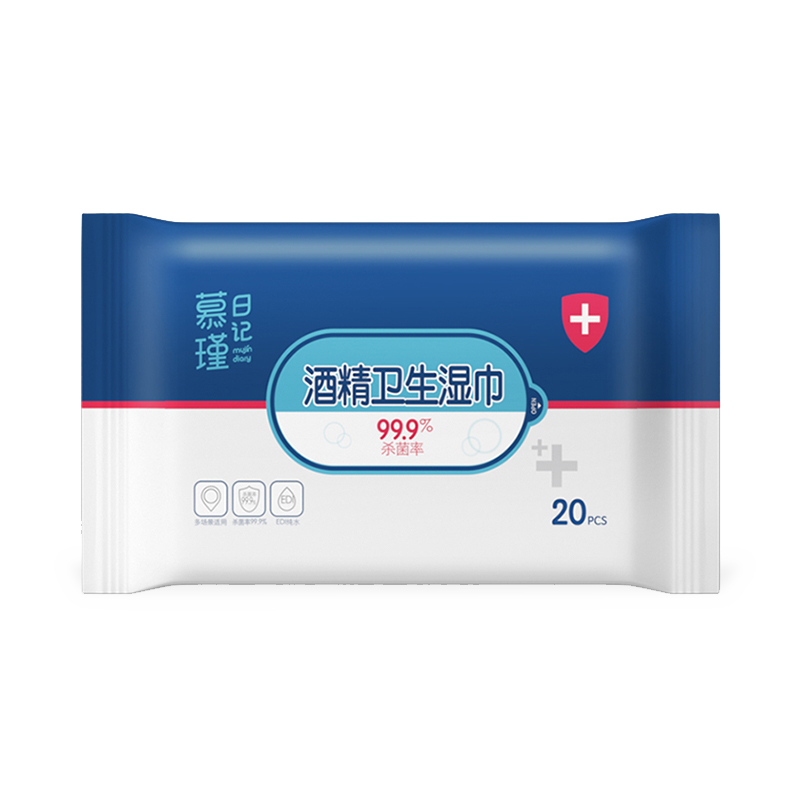
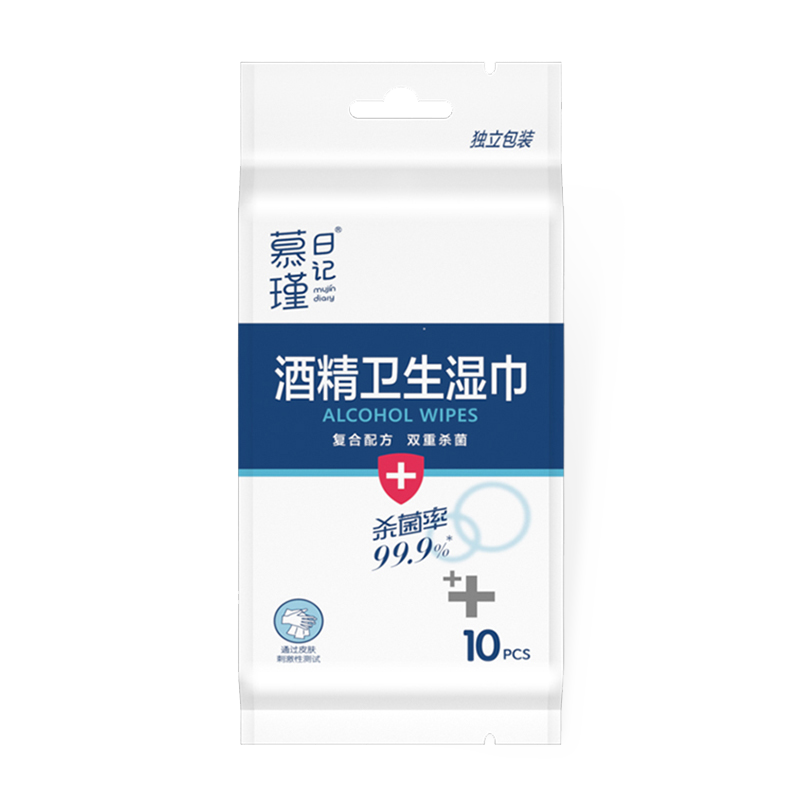
Disinfecting kitchen wipes contain antimicrobial active ingredients—most commonly quaternary ammonium compounds (quats), sodium hypochlorite (bleach-based), or citric acid in natural formulations—that kill bacteria, viruses, and fungi on hard non-porous surfaces. To achieve the labeled kill rate (typically 99.9% or greater against listed pathogens), the surface must remain visibly wet from the wipe for a specified contact time—commonly 30 seconds to 4 minutes depending on the active ingredient and the target pathogen. This contact time requirement is the most frequently overlooked aspect of disinfecting wipe use: wiping a surface and immediately drying it does not achieve disinfection, regardless of the wipe's labeled efficacy. Disinfecting wipes are best used on food preparation countertops, cutting boards (if non-porous), refrigerator handles, appliance controls, and any surface that has been in contact with raw meat, poultry, or eggs.
Degreasing kitchen wipes are formulated with surfactant systems—often including alkaline builders, solvents, or enzyme packages—specifically designed to break down and emulsify cooking oils, fat splatter, and carbonized food residues. These wipes are thicker and more heavily saturated than standard disinfecting wipes to deliver sufficient chemistry and mechanical action to cut through accumulated kitchen grease without requiring soak time or separate spray application. Degreasing wipes are the right tool for range hood filters (exterior surfaces), backsplashes, the exterior of the range and oven, cabinet doors near the cooking area, and the inside surfaces of the microwave. They are generally not formulated as disinfectants and should not be relied upon for pathogen elimination—for surfaces that need both degreasing and disinfection, the correct sequence is to degrease first, allow the surface to dry, and then follow with a disinfecting wipe.
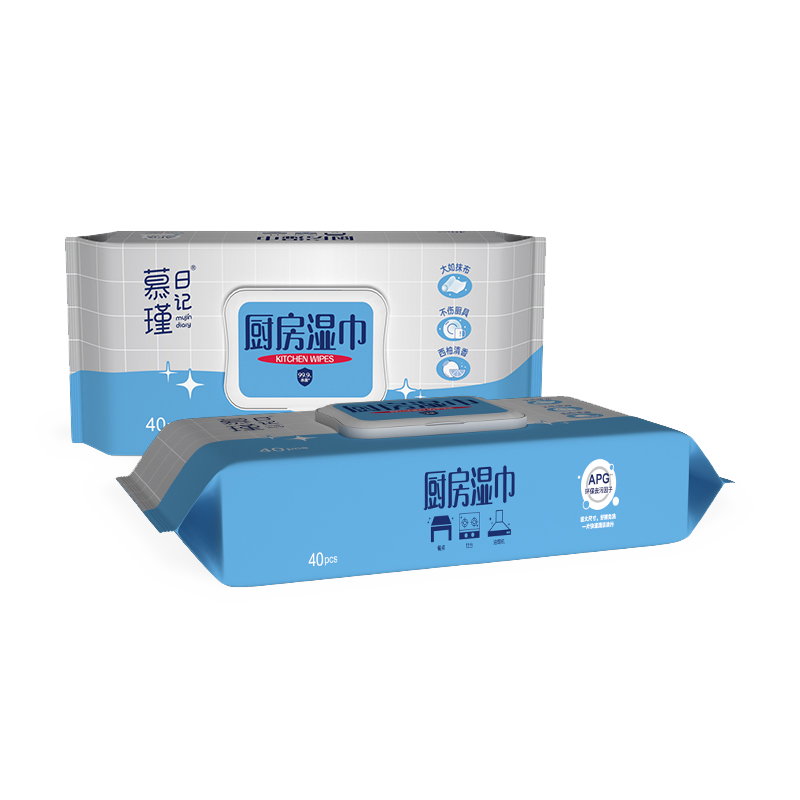
Multi-surface kitchen cleaning wipes occupy the middle ground—formulated with mild surfactant cleaning agents and light antimicrobial activity that handle everyday kitchen cleaning tasks competently without the specialized chemistry of dedicated degreasing or disinfecting products. These wipes are appropriate for maintaining already-clean surfaces between deep cleaning sessions, wiping down appliance exteriors, cleaning small kitchen appliances, and quick tidying of countertops after food preparation. During spring cleaning, multi-surface wipes are most useful for the final wipe-down phase after specialized products have done the heavy work, leaving a streak-free, lightly sanitized finish across general kitchen surfaces.
Approaching the kitchen spring clean zone by zone—working systematically from top to bottom and from cleanest to dirtiest areas—prevents cross-contamination between food zones and non-food zones, avoids re-contaminating already-cleaned surfaces, and ensures no area is overlooked. The following sequence is organized to maximize efficiency while using the right wipe type for each zone.
Begin at the highest points in the kitchen and work downward. Range hood exterior surfaces accumulate some of the heaviest grease deposits in the kitchen due to their proximity to the cooking zone. Use thick degreasing wipes and allow the chemistry to dwell for 1–2 minutes on particularly heavy deposits before wiping. Multiple passes may be necessary—do not attempt to remove heavy buildup in a single aggressive scrub, as this risks scratching stainless steel or damaging painted cabinet finishes. Upper cabinet doors near the range collect grease overspray and should be wiped with degreasing wipes, followed by a dry pass to prevent streaking on wood-finish surfaces. Light fixtures and switch plates can be cleaned with multi-surface wipes with the power isolated at the circuit breaker—never apply wet wipes to electrical components without first ensuring the power is off.
Refrigerator handles, oven controls, microwave door handles, and dishwasher panels are among the highest-touch surfaces in any kitchen and accumulate both grease and pathogenic microorganisms from hand contact after food handling. Use disinfecting wipes on all these surfaces, paying particular attention to the crevices around control knobs and button edges where residue accumulates and wipes cannot easily reach—a cotton swab dampened with the wipe solution reaches these areas effectively. Allow the disinfectant to remain wet on the surface for the full contact time specified on the product packaging before drying. For stainless steel appliance surfaces, wipe in the direction of the metal grain to prevent micro-scratching that dulls the finish over time.
Countertops require both cleaning and disinfection during a spring clean, but the appropriate wipe depends on the surface material. The following table summarizes which wipe types are safe and effective on common kitchen countertop materials:
| Surface Material | Safe Wipe Types | Avoid |
| Sealed Granite | Multi-surface, mild disinfecting (quat-based) | Bleach, acidic wipes (damage sealant) |
| Quartz (Engineered Stone) | Multi-surface, mild disinfecting | High-alkaline degreasers, bleach (discolors resin binder) |
| Laminate (Formica) | All types including degreasing and disinfecting | Abrasive wipes (scratch surface) |
| Stainless Steel | Disinfecting, degreasing, multi-surface | Chlorine bleach at high concentration (pitting risk) |
| Marble | pH-neutral multi-surface wipes only | Acidic wipes, bleach, vinegar-based (etches surface) |
| Wood (sealed or butcher block) | Mild multi-surface, quick wipe only | Soaking wipes, bleach (warps and bleaches wood) |
Interior refrigerator cleaning is one of the most important spring cleaning tasks and one where wipe selection requires particular care. Food-safe disinfecting wipes—specifically those labeled safe for food contact surfaces after drying—are the appropriate choice for refrigerator interior walls, drawers, and shelves. Standard household disinfecting wipes contain residual chemical concentrations that are safe on non-food surfaces but should not contact food directly. After wiping refrigerator interiors with a disinfecting wipe, allow surfaces to air dry completely before replacing food items. The microwave interior, which accumulates splattered food residues and moisture, responds well to a preparatory step of heating a damp cloth or paper towel for 60 seconds to steam-loosen deposits before using degreasing wipes to remove the softened residue.
Using kitchen cleaning wipes effectively is not simply a matter of pulling one from the container and scrubbing a surface. Several practical techniques significantly improve cleaning outcomes and extend the useful life of each wipe across multiple surfaces during a spring clean session.
Even experienced cleaners make avoidable mistakes with kitchen cleaning wipes that reduce effectiveness, damage surfaces, or create food safety risks. Awareness of these common errors prevents wasted effort and product during a spring clean.
Environmental concerns about disposable cleaning wipes are legitimate and increasingly inform purchasing decisions. Conventional kitchen cleaning wipes typically use nonwoven polyester or polypropylene substrates that do not biodegrade in landfill conditions and contribute to microplastic pollution if improperly disposed of. Several genuinely more sustainable alternatives are now commercially available, and understanding the difference between meaningful environmental improvements and greenwashing claims helps consumers make informed choices during their spring cleaning product purchases.
Plant-fiber substrate wipes made from bamboo, wood pulp, or cotton cellulose offer genuine biodegradability under composting conditions—some are certified to EN 13432 or ASTM D6400 composting standards, which provide verified timelines for organic breakdown in industrial composting facilities. Wipes carrying these certifications break down within 90–180 days under composting conditions, a meaningful improvement over synthetic substrates that persist for decades. Formulation sustainability is a separate consideration from substrate biodegradability: wipes using plant-derived surfactants, botanical antimicrobials (such as thymol from thyme oil, which holds EPA registration as a disinfectant active ingredient), and fragrance-free or naturally derived fragrance systems offer reduced aquatic toxicity compared to conventional synthetic chemistry. When assessing eco-friendly claims, look for third-party certifications—EPA Safer Choice, EU Ecolabel, or certified biodegradable substrate claims—rather than manufacturer-applied marketing language, which is unregulated and frequently overstated in the cleaning products category.
Your email address will not be published. Required fields are marked *
You can contact to me using this form.


Copyright © 2023 Shanghai Taicikang Industrial Co., Ltd. All Rights Reserved.
 OEM/ODM Wet Wipes Manufacturers
BACK TOP
OEM/ODM Wet Wipes Manufacturers
BACK TOP