Español
 Français
 中文简体
中文简体

Product Consultation
Your email address will not be published. Required fields are marked *
Content
Kitchen cleaning wipes have become a staple in millions of households, promising quick, convenient, and effective cleaning with a single swipe. But are they truly worth the hype? With so many surfaces, bacteria types, and grease levels to deal with in a kitchen, it's important to understand exactly what these wipes can and cannot do — and how to use them to their full potential.
Kitchen cleaning wipes are pre-moistened cloths saturated with a cleaning solution designed to cut through grease, food residue, and bacteria. Most wipes are made from nonwoven fabric — a blend of polyester, rayon, or polypropylene — which gives them durability and the ability to hold liquid without falling apart during scrubbing.
The cleaning solution inside varies by product, but common active ingredients include:
Understanding what's in your wipes helps you match the right product to the right surface, avoiding damage while maximizing cleaning power.
Not every surface in your kitchen is the same, and kitchen cleaning wipes perform better on some than others. Here's a breakdown of where they truly shine:
Hard, non-porous countertops like laminate, quartz, and sealed granite are ideal surfaces for cleaning wipes. After food prep, a quick wipe removes crumbs, juices, and bacteria within seconds. This is especially important after handling raw meat, eggs, or unwashed produce.
The exterior of your microwave, refrigerator door handles, oven knobs, and dishwasher panels are high-touch zones that accumulate fingerprints and grease. Kitchen wipes are perfect for these areas — they clean without soaking electronics or leaving excess moisture behind.
Light grease splatters on the stovetop or backsplash are no match for a degreasing wipe. For tougher, baked-on spills, you may need to let the wipe sit on the surface for 30–60 seconds to loosen the grime before wiping away.
Faucet handles are one of the most germ-laden spots in any kitchen. A disinfecting wipe used after washing dishes or handling food can dramatically cut down on cross-contamination. Wipes also work great on the sink surround, where soap scum and water stains tend to collect.
Many people underestimate how much technique matters when using cleaning wipes. Using them incorrectly can give you a false sense of cleanliness while leaving bacteria behind.
With so many products available, choosing the right kitchen cleaning wipe can be overwhelming. The table below summarizes the most common types and their best use cases:
| Wipe Type | Best For | Avoid Using On |
| Bleach-based disinfecting wipes | Sinks, tile, garbage can lids | Stainless steel, marble, colored grout |
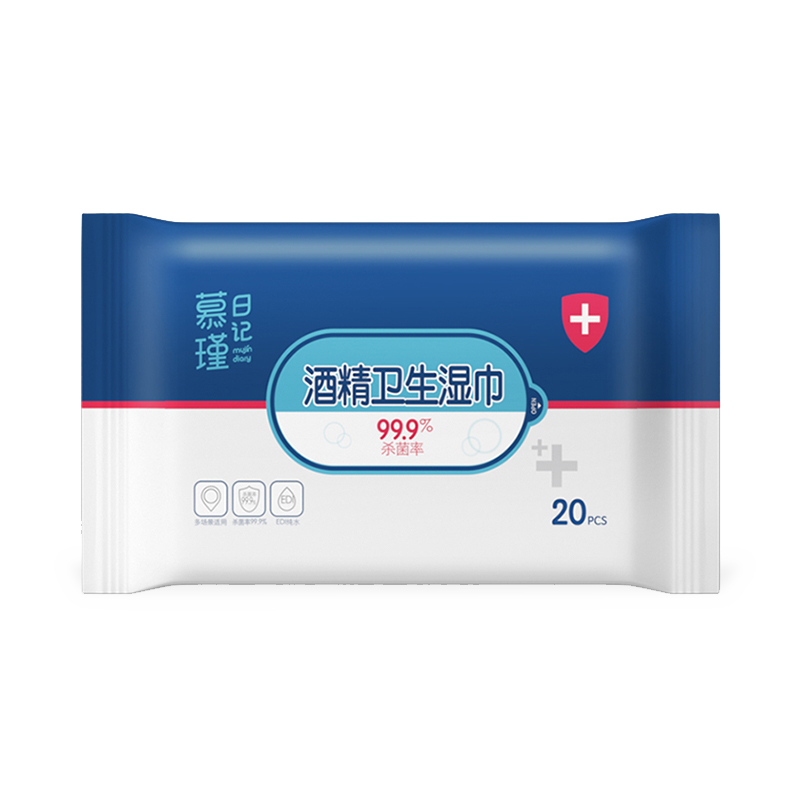
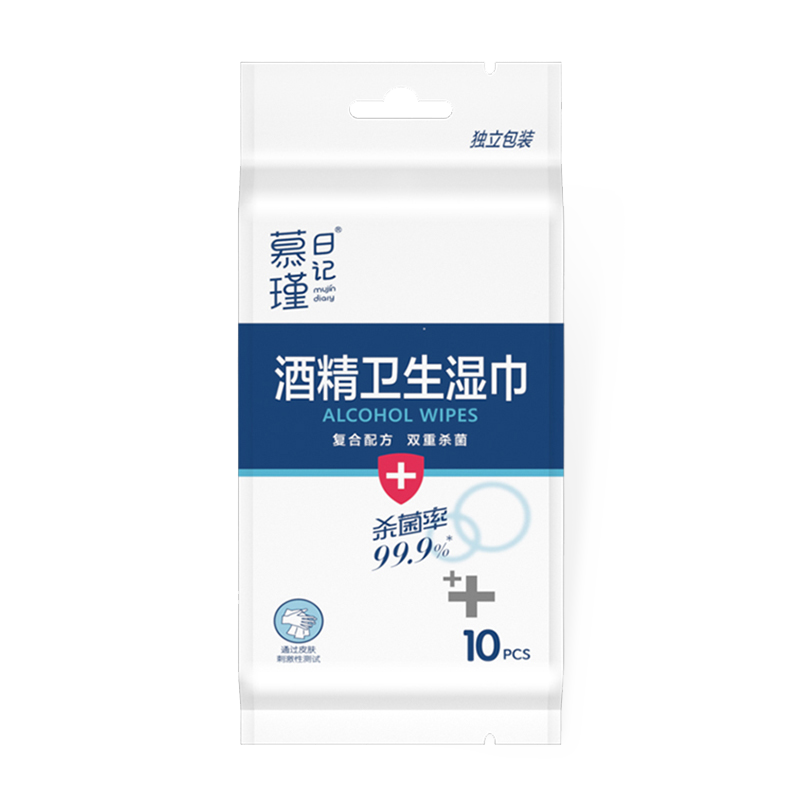
| Alcohol-based wipes | Appliance buttons, handles, screens | Unsealed wood, rubber gaskets |
| Plant-based/natural wipes | Food-contact surfaces, baby areas | Areas needing EPA-registered disinfection |
| Degreasing wipes | Stovetop, range hood, backsplash | Delicate coated surfaces |
Just as important as knowing where to use wipes is knowing where not to use them. Using the wrong wipe on the wrong surface can cause permanent damage or reduce food safety.
One of the biggest advantages of kitchen cleaning wipes is how easily they integrate into a daily routine. When used consistently, they prevent the buildup of grime that leads to deep-cleaning headaches later on.
A practical daily routine might look like this:
This kind of micro-cleaning habit takes under five minutes per day but creates a kitchen environment that stays genuinely hygienic rather than just appearing clean on the surface.
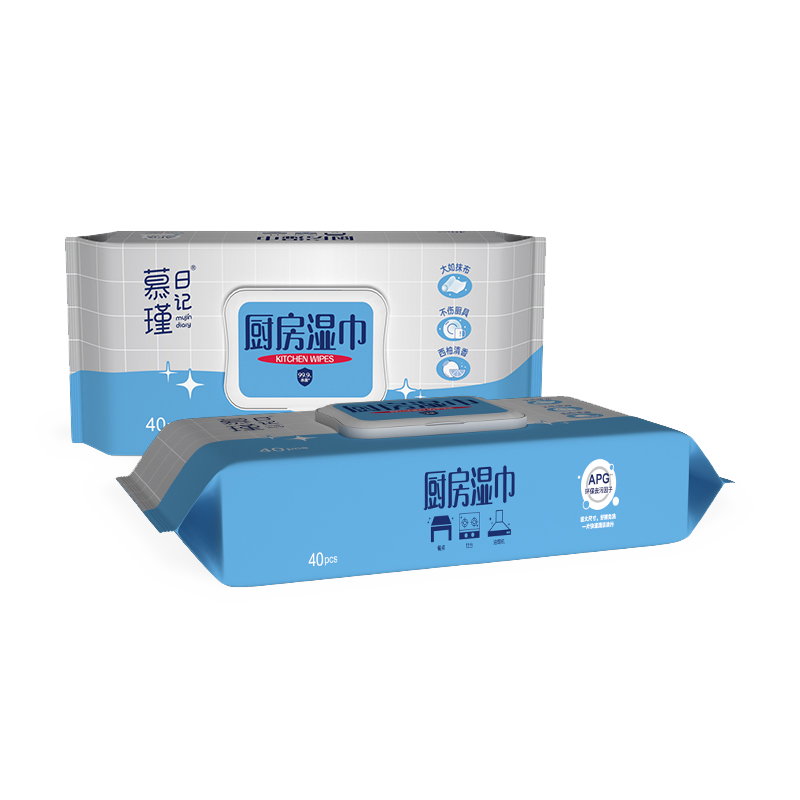
The convenience of single-use kitchen cleaning wipes comes with an environmental cost. Most traditional wipes are made with synthetic fibers that do not biodegrade in landfills, contributing to long-term waste. If sustainability matters to you, there are ways to clean effectively while reducing your footprint.
Consider these greener approaches:
For most households, a hybrid approach works best: use disposable disinfecting wipes for high-risk areas like raw meat surfaces and sick-day cleanups, and rely on reusable cloths for everyday surface maintenance.
Kitchen cleaning wipes are genuinely effective tools when used correctly and matched to the right surfaces. Their strength lies in speed, convenience, and the ability to disinfect in seconds — qualities that matter especially in busy kitchens where cross-contamination is a real risk. They are not a replacement for deep cleaning, nor are they suitable for every surface, but as part of a layered cleaning strategy, they are hard to beat.
The key to getting the most out of kitchen cleaning wipes is simple: read the label, respect the contact time, use one wipe per surface, and store them in a sealed container to prevent them from drying out. Do that consistently, and your kitchen will be one of the cleanest — and safest — rooms in your home.
Your email address will not be published. Required fields are marked *
You can contact to me using this form.


Copyright © 2023 Shanghai Taicikang Industrial Co., Ltd. All Rights Reserved.
 OEM/ODM Wet Wipes Manufacturers
BACK TOP
OEM/ODM Wet Wipes Manufacturers
BACK TOP