Español
 Français
 中文简体
中文简体

Product Consultation
Your email address will not be published. Required fields are marked *
Content
Household cleaning wipes have moved well beyond their origins as a convenience product into a genuine staple of modern home hygiene routines. Their appeal lies in a combination of speed, simplicity, and versatility — a single wipe can clean, disinfect, and dry a surface in one motion without the need for separate sprays, cloths, and buckets. For busy households managing kitchens, bathrooms, living areas, and everything in between, this efficiency is hard to overstate. The market has responded with an enormous range of formulations targeting specific surfaces, germs, and user preferences, which means that choosing the right wipe for the right job has become more important — and more nuanced — than ever before.
Understanding how different types of household cleaning wipes are formulated, what surfaces they are safe for, and what ingredients to look out for allows consumers to clean more effectively while protecting their surfaces, their families, and the environment. This guide breaks down everything you need to know to make informed choices across every room in your home.
Not all cleaning wipes are created equal. The market broadly divides into several distinct categories, each designed with a different primary function in mind. Using the wrong type on the wrong surface can result in streaking, residue buildup, material damage, or simply inadequate cleaning results.
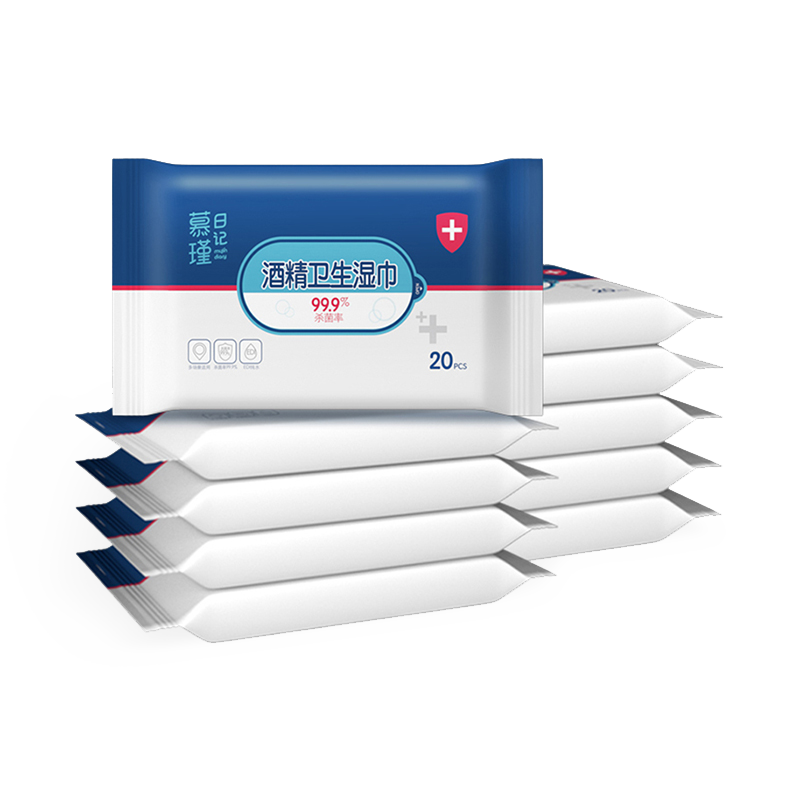
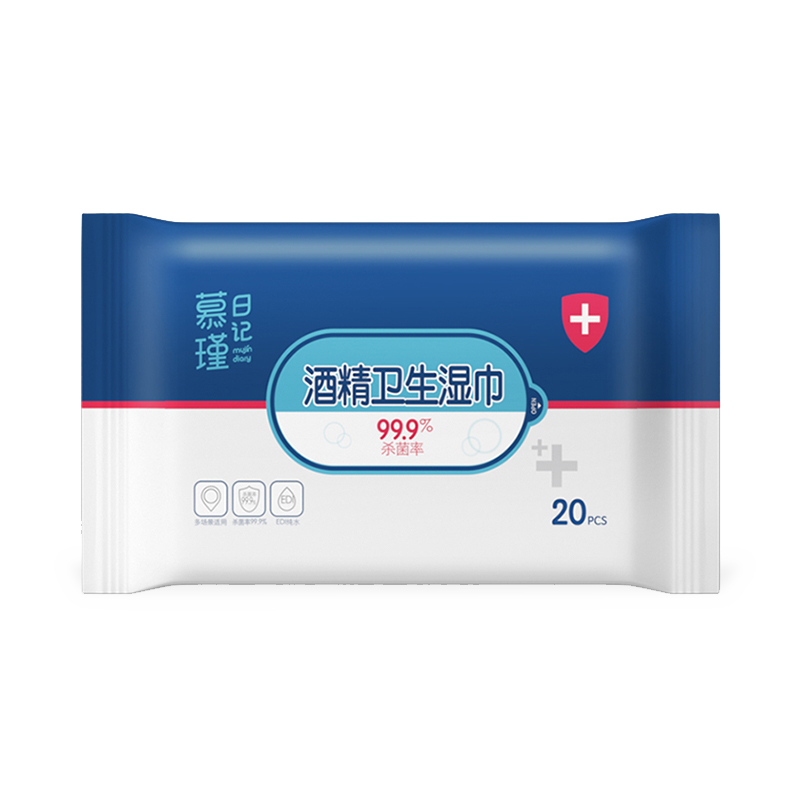
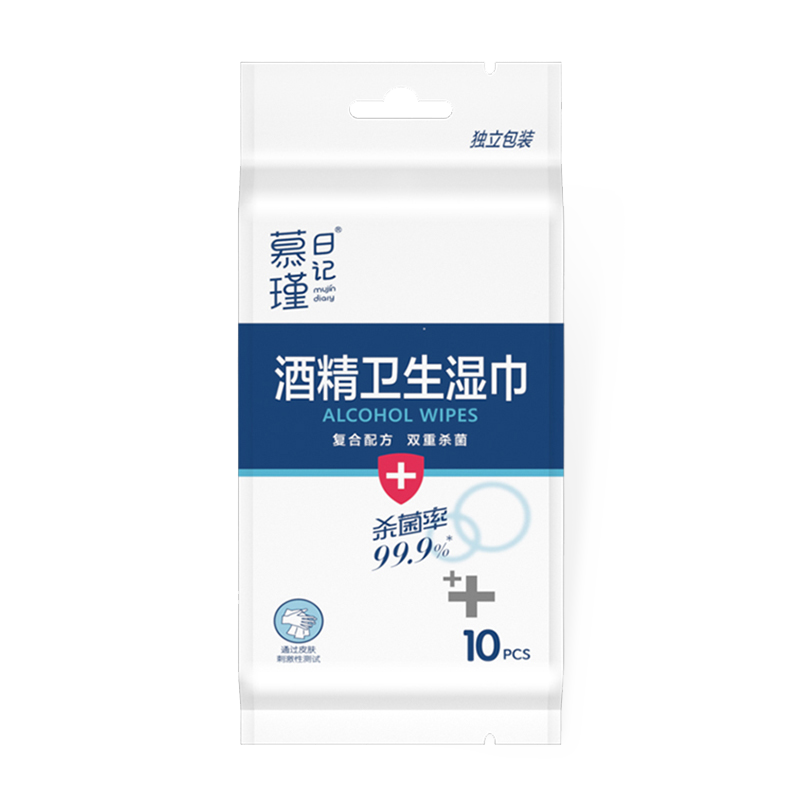
Disinfecting wipes are formulated to kill a defined percentage of bacteria, viruses, and fungi on hard, non-porous surfaces. To carry a disinfectant claim, a product must meet regulatory standards — in the United States, this means EPA registration under the Federal Insecticide, Fungicide, and Rodenticide Act (FIFRA). The active ingredients most commonly used include quaternary ammonium compounds (quats), such as alkyl dimethyl benzyl ammonium chloride, and isopropyl alcohol at concentrations typically between 60% and 75%. These wipes are ideal for high-touch surfaces in kitchens and bathrooms — countertops, faucet handles, toilet seats, light switches, and doorknobs — where pathogen reduction is the primary goal. It is important to follow the contact time stated on the label; many disinfecting wipes require the surface to remain visibly wet for one to four minutes to achieve their stated kill rate.
Multi-surface cleaning wipes are designed for general dirt, grease, and grime removal across a wide variety of household surfaces. They typically contain surfactants that lift and suspend soil particles, combined with mild solvents and water. While many multi-surface wipes provide some level of antimicrobial action, they may not meet the threshold for a regulated disinfectant claim. These wipes are well-suited for everyday maintenance cleaning of kitchen appliances, countertops, stovetops, tables, and sealed hard floors where deep disinfection is not the priority.
Glass and electronics wipes use alcohol-based or ammonia-free formulations specifically designed to clean without leaving streaks or residue on transparent or screen surfaces. Standard household disinfecting wipes should never be used on screens — their surfactant content and higher active ingredient concentrations can damage oleophobic coatings on smartphone and tablet screens. Dedicated screen wipes use a lint-free substrate and a carefully balanced solvent mixture that evaporates quickly and cleanly. Glass wipes for mirrors and windows are similarly engineered for streak-free results on smooth, reflective surfaces.
Oversized floor wipes are designed to attach to mop frames or be used by hand for cleaning sealed hard floors, including tile, laminate, and sealed hardwood. These wipes are pre-moistened with floor-specific cleaning solutions that clean without leaving residue or excess moisture that could damage flooring materials. They offer a disposable alternative to traditional mop-and-bucket cleaning, which can spread dirty water across surfaces if the mop is not rinsed frequently enough.
One of the most common mistakes households make with cleaning wipes is using a single product indiscriminately across all surfaces. Certain formulations can cause visible or latent damage to specific materials over time. The table below provides a quick reference for common household surfaces and appropriate wipe types:
| Surface | Recommended Wipe Type | Avoid |
| Kitchen countertops (laminate, sealed stone) | Disinfecting or multi-surface wipes | Abrasive or bleach-based wipes |
| Natural stone (marble, granite unsealed) | pH-neutral multi-surface wipes | Acidic or bleach-containing wipes |
| Smartphone / tablet screens | Alcohol-free electronics wipes | Standard disinfecting wipes |
| Stainless steel appliances | Multi-surface or stainless-specific wipes | Chlorine bleach wipes (causes pitting) |
| Sealed hardwood floors | Floor-specific low-moisture wipes | Wet disinfecting wipes (moisture damage) |
| Bathroom fixtures and tiles | Disinfecting wipes | Wipes with citric acid on grout lines |
| Glass and mirrors | Glass-specific or ammonia-free wipes | Wipes with heavy surfactant loads |
Reading the ingredient list on a household cleaning wipe product is one of the most practical steps a consumer can take to ensure both effectiveness and safety. Several common active and inactive ingredients have important implications for how a wipe performs and whether it is suitable for specific households or uses.
The substrate — the physical material that holds the cleaning solution — plays an often-overlooked role in how effectively a wipe performs. Most household cleaning wipes use nonwoven fabrics made from polyester, polypropylene, rayon, or blends of these materials. The fiber composition affects absorbency, durability, surface texture, and how well the wipe releases its cleaning solution onto the surface being cleaned.
Thicker, more durable substrates hold more solution and are better suited to heavy-duty cleaning tasks such as scrubbing stovetop grime or removing dried-on food from kitchen surfaces. Thinner, softer substrates are appropriate for delicate surfaces like screens or polished furniture. Some premium wipe products use spunlace nonwoven fabrics that offer a balance of softness and mechanical cleaning ability, making them effective across a broader range of tasks. Increasingly, manufacturers are offering plant-based or biodegradable substrates — typically made from viscose, bamboo fiber, or wood pulp — as a more environmentally responsible alternative to synthetic nonwovens.
Household cleaning wipes generate significant plastic waste because most conventional substrates are made from synthetic, non-biodegradable fibers. A critical and widely misunderstood point is that no cleaning wipe — regardless of what the packaging may suggest — should ever be flushed down the toilet. Even products marketed as "flushable" do not break down quickly enough to prevent accumulation in sewer systems, contributing to fatberg formation and wastewater infrastructure damage. All used cleaning wipes should be disposed of in household waste.
For consumers seeking to reduce their environmental footprint, several practical alternatives and improvements are worth considering. Biodegradable wipes made from plant-based fibers such as bamboo viscose or wood pulp do break down in landfill conditions considerably faster than polyester-based products. Concentrated refill systems — where a dry substrate pad is saturated with a cleaning solution mixed from a compact refill tablet — are emerging as a low-waste alternative that reduces both plastic packaging and transportation emissions. Reusable microfiber cloths with washable cleaning solution remain the lowest-impact option for households willing to incorporate a laundering step into their cleaning routine.
Even the best-formulated cleaning wipe will underperform if used incorrectly. Applying a few straightforward practices consistently will significantly improve cleaning results and extend the useful life of each wipe.
The best household cleaning wipe is ultimately the one that matches your specific cleaning goals, the surfaces in your home, and the needs of the people living there. Households with young children or allergy sufferers benefit most from fragrance-free, low-chemical formulations with plant-based substrates. High-traffic homes where infection control is a genuine priority — particularly during cold and flu season — should keep EPA-registered disinfecting wipes readily accessible in kitchens and bathrooms. Households with premium or delicate surfaces such as natural stone, stainless steel appliances, or high-end electronics need surface-specific products rather than a single all-purpose option.
Building a small, curated selection of wipe types tailored to your home's actual surfaces and usage patterns — rather than relying on a single product for every task — is the most practical and cost-effective approach. Combining the right formulation, the right substrate, and the right application technique transforms household cleaning wipes from a basic convenience into a genuinely effective tool for maintaining a clean, hygienic, and well-maintained home.
Your email address will not be published. Required fields are marked *
You can contact to me using this form.


Copyright © 2023 Shanghai Taicikang Industrial Co., Ltd. All Rights Reserved.
 OEM/ODM Wet Wipes Manufacturers
BACK TOP
OEM/ODM Wet Wipes Manufacturers
BACK TOP