Español
 Français
 中文简体
中文简体

Product Consultation
Your email address will not be published. Required fields are marked *
Content
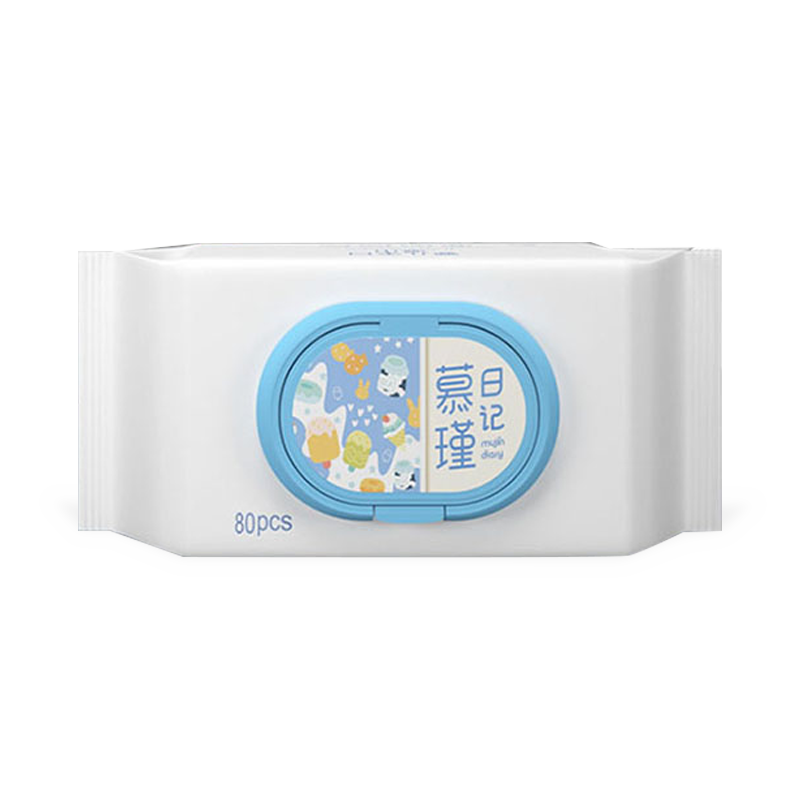
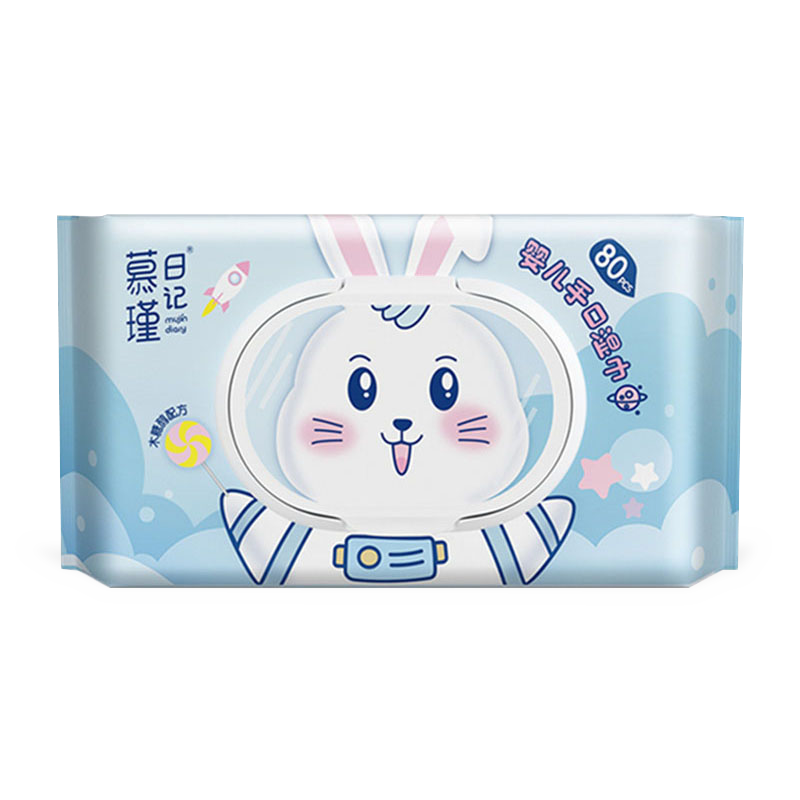
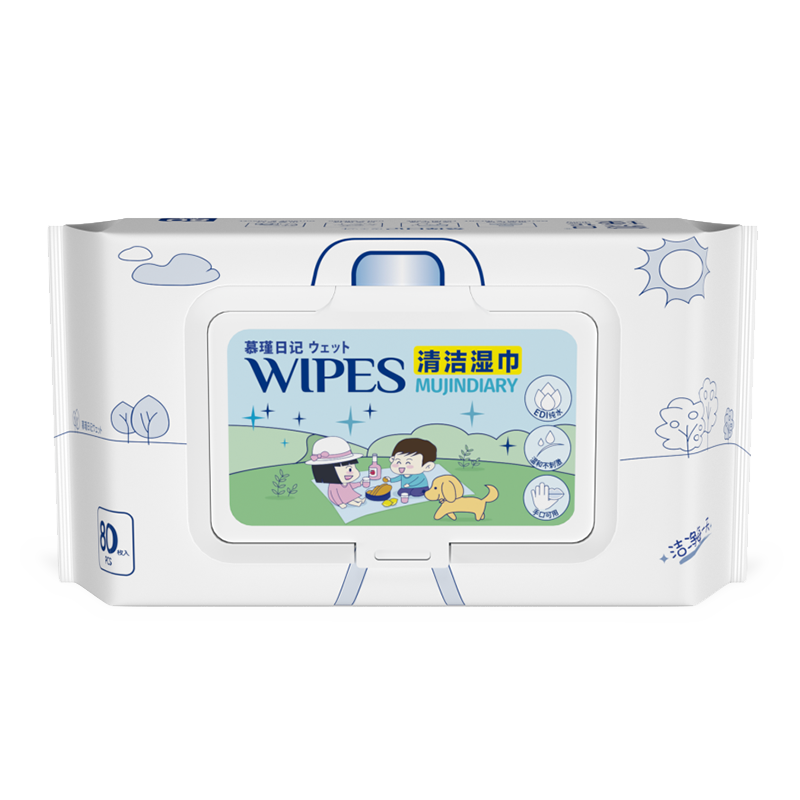
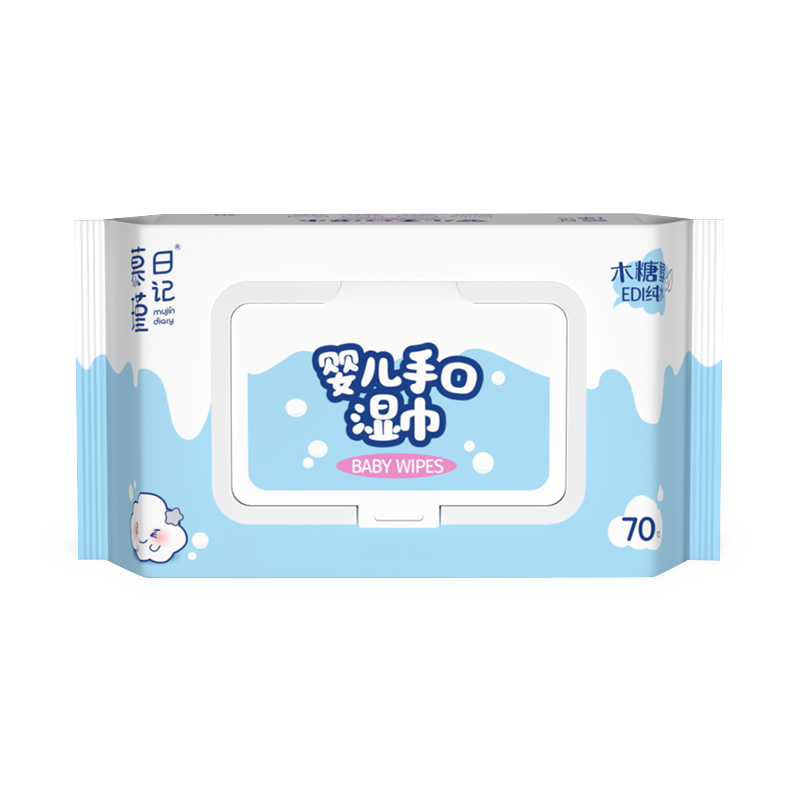
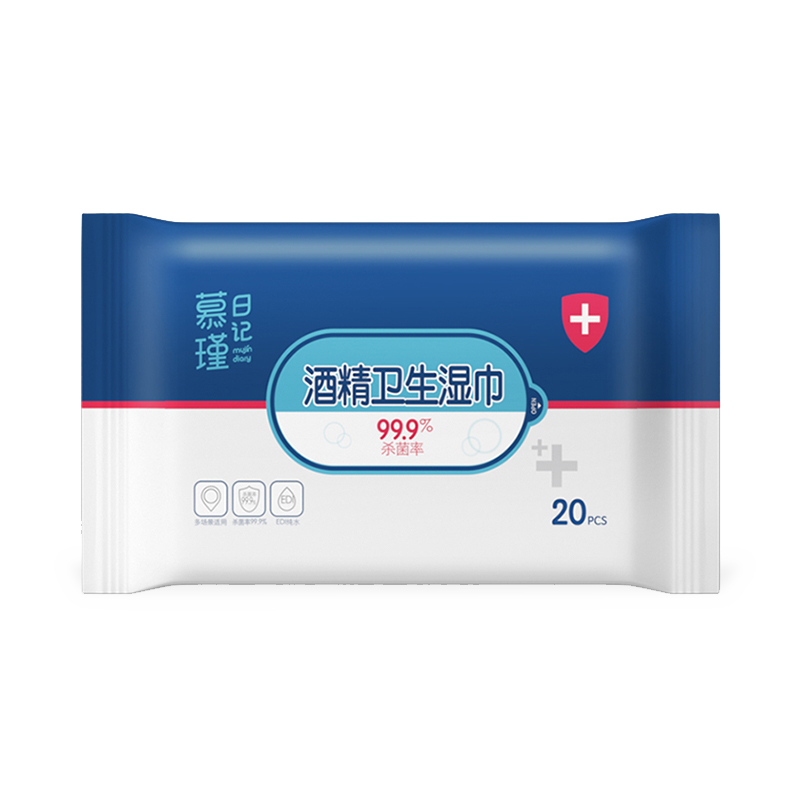
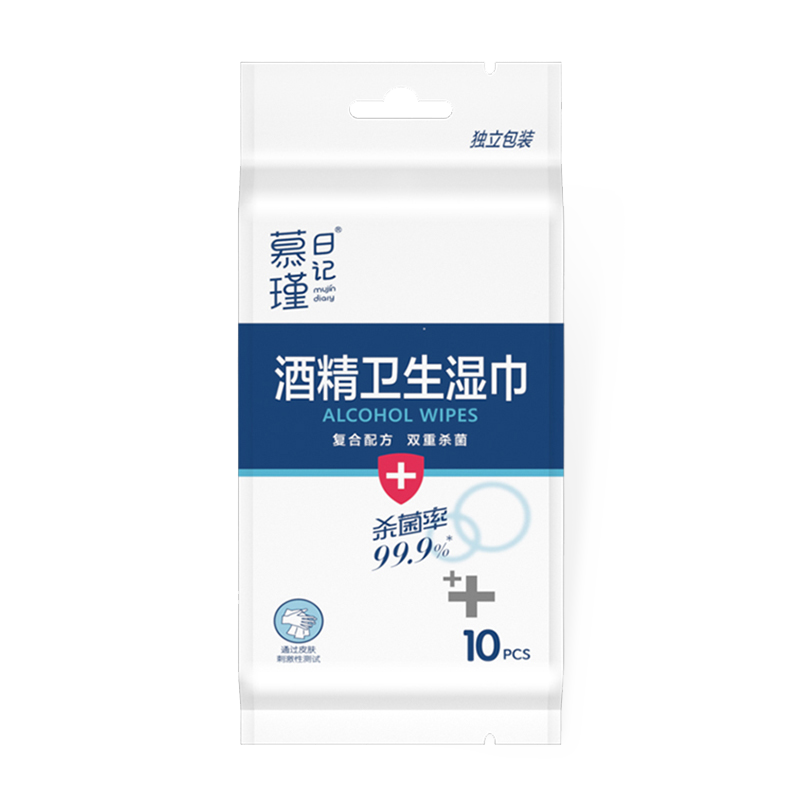
Hand sanitizer wipes are pre-moistened disposable wipes formulated to reduce germs, bacteria, and certain viruses on the hands. Unlike liquid or gel sanitizers, these wipes combine chemical disinfection with physical removal of contaminants. This dual-action approach makes them especially appealing for on-the-go hygiene when soap and water are unavailable.
Most hand sanitizer wipes are infused with alcohol-based or alcohol-free antimicrobial solutions. They are commonly used in public spaces, healthcare settings, travel scenarios, and households. Their portability and ease of use have made them a popular alternative to traditional hand sanitizers, particularly where visible dirt or residue is present on the skin.
The effectiveness of hand sanitizer wipes comes from a combination of active ingredients and mechanical wiping action. When the wipe is rubbed across the skin, it physically lifts dirt, oils, and microorganisms from the surface. At the same time, antimicrobial agents disrupt the structure of germs, reducing their ability to survive or spread.
Alcohol-based wipes typically use ethanol or isopropyl alcohol, which denatures proteins and damages the protective membranes of bacteria and viruses. Alcohol-free wipes rely on compounds such as benzalkonium chloride or other quaternary ammonium compounds that interfere with microbial cell function.
Unlike gels or sprays that rely solely on chemical action, wipes provide a physical scrubbing effect. This is particularly useful when hands are visibly dirty or greasy. The physical removal of contaminants can enhance overall cleanliness, even if the chemical disinfectant has limited activity against certain pathogens.
Hand sanitizer wipes are generally effective against many common bacteria found on hands, including those responsible for everyday infections. Alcohol-based wipes are especially effective at rapidly reducing bacterial counts when used correctly. Studies have shown that wipes with sufficient alcohol concentration can significantly lower levels of organisms such as Staphylococcus and Escherichia coli.
However, effectiveness depends on factors such as contact time, wipe moisture, and coverage of the entire hand surface. Quick or incomplete wiping may leave bacteria behind, reducing overall effectiveness.
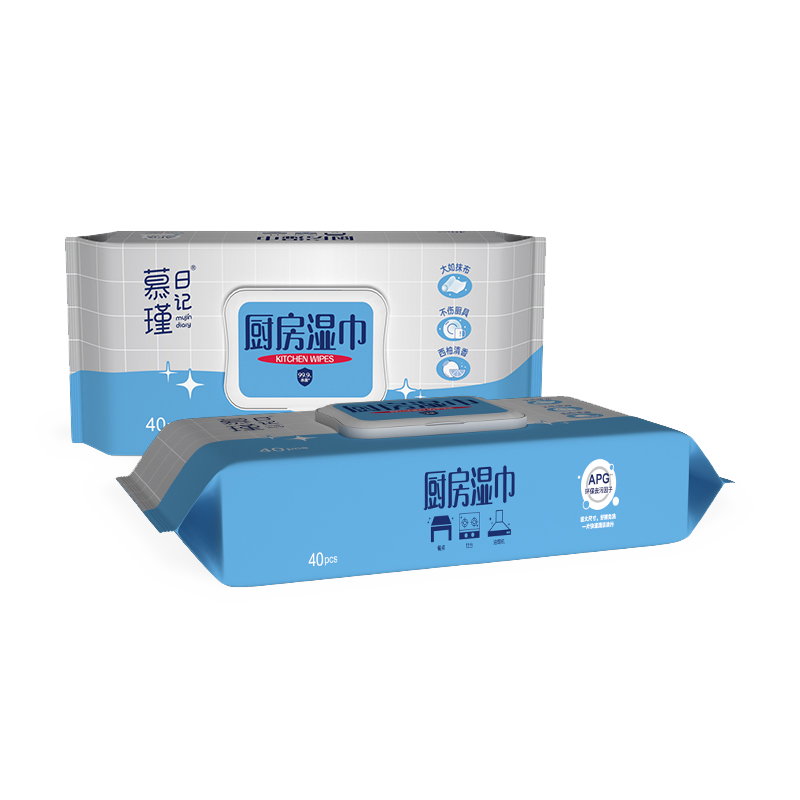
When it comes to viruses, the performance of hand sanitizer wipes varies depending on the virus type. Enveloped viruses, which have an outer lipid membrane, are generally more susceptible to alcohol-based disinfectants. Hand sanitizer wipes can be effective against many enveloped viruses when used properly.
Non-enveloped viruses, which lack this outer membrane, are more resistant. In these cases, wipes may reduce viral load through physical removal, but chemical inactivation may be limited. This distinction is important when evaluating the protective value of wipes in different environments.
One of the most common questions is whether alcohol-based or alcohol-free wipes are more effective. Alcohol-based wipes are widely regarded as more effective against a broader range of germs and viruses. They act quickly and evaporate without leaving residue.
Alcohol-free wipes are often chosen for sensitive skin, children, or frequent use. While they can still reduce bacterial counts, their antiviral effectiveness may be narrower. Users should understand these differences when selecting wipes for specific hygiene needs.
| Type | Main Active Ingredient | Effectiveness Range |
| Alcohol-Based | Ethanol / Isopropyl Alcohol | Most bacteria and enveloped viruses |
| Alcohol-Free | Benzalkonium Chloride | Some bacteria and limited viruses |
The effectiveness of hand sanitizer wipes depends heavily on correct usage. Wiping should cover all hand surfaces, including palms, backs of hands, fingers, fingertips, and around nails. A single wipe may not be sufficient if hands are heavily soiled.
Allowing hands to air dry after wiping is also important. This ensures adequate contact time for the antimicrobial ingredients to work. Rinsing or wiping hands dry immediately can reduce germ-killing effectiveness.
Despite their convenience, hand sanitizer wipes are not a perfect substitute for handwashing. They may be less effective on heavily soiled hands or against certain resistant
Your email address will not be published. Required fields are marked *
You can contact to me using this form.


Copyright © 2023 Shanghai Taicikang Industrial Co., Ltd. All Rights Reserved.
 OEM/ODM Wet Wipes Manufacturers
BACK TOP
OEM/ODM Wet Wipes Manufacturers
BACK TOP