Español
 Français
 中文简体
中文简体

Product Consultation
Your email address will not be published. Required fields are marked *
Content
Kitchen cleaning wipes are pre-moistened disposable or reusable cloths designed to remove grease, food residue, and bacteria from common kitchen surfaces. They combine cleaning agents, surfactants, and sometimes disinfectants into a convenient, ready-to-use format. For busy households and commercial kitchens alike, these wipes reduce preparation time, eliminate the need to mix chemicals, and help maintain consistent hygiene standards.
Because kitchens are high-risk areas for cross-contamination, the ability to quickly wipe down counters, cutting boards, appliance handles, and dining surfaces plays a critical role in food safety. Kitchen cleaning wipes help bridge the gap between deep cleaning sessions and daily maintenance, making it easier to keep surfaces visibly clean and hygienically safer.
Most kitchen cleaning wipes contain a blend of water, surfactants, solvents, preservatives, and fragrance. Some also include disinfecting agents such as quaternary ammonium compounds or alcohol-based ingredients. Each component serves a specific function in loosening dirt, breaking down grease, and preventing microbial growth within the wipe itself.
Understanding these ingredients helps users choose wipes that match their needs, whether for light daily cleaning or more intensive sanitation tasks.
Kitchen cleaning wipes are formulated for a variety of non-porous surfaces. These include countertops, stovetops, microwave interiors, refrigerator handles, cabinet fronts, and dining tables. Some wipes are also safe for stainless steel and sealed stone surfaces, although it is always best to verify label instructions.
Using wipes on the right surfaces ensures optimal cleaning performance while minimizing the risk of surface damage or residue buildup.
Daily hygiene in the kitchen is not only about appearance but also about reducing harmful microorganisms. Kitchen cleaning wipes make it easier to wipe down high-touch areas such as faucet handles, light switches, and appliance controls. These frequent touchpoints can harbor bacteria transferred from raw foods or unwashed hands.
By incorporating wipes into daily routines, households can lower the microbial load on surfaces between full cleanings, helping to create a safer food preparation environment.
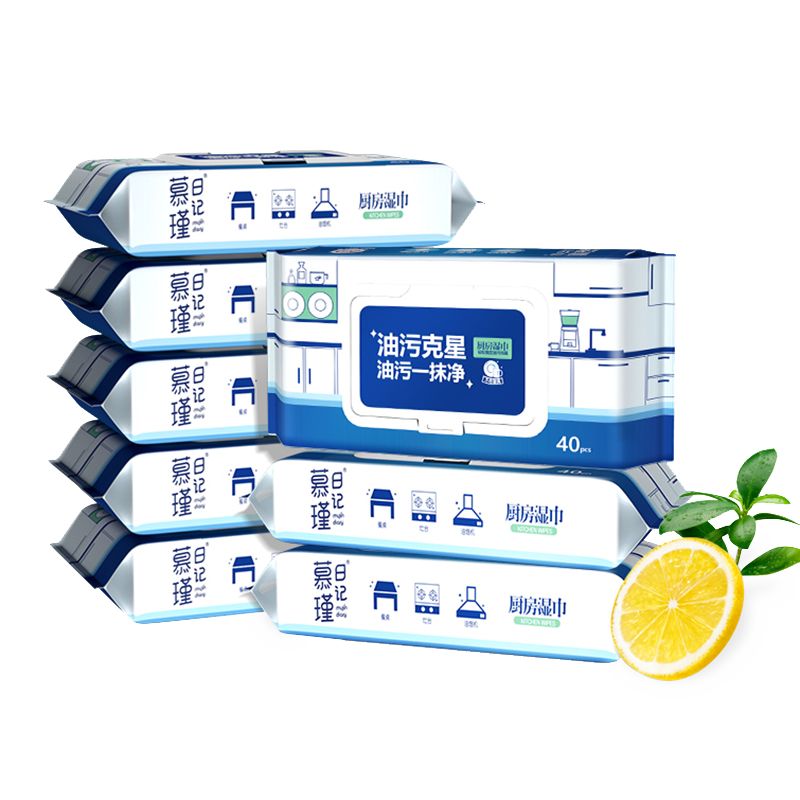
One of the primary challenges in kitchens is grease buildup. Cooking oils, splatters, and airborne grease can quickly coat surfaces. Kitchen cleaning wipes are designed to emulsify grease so it can be lifted away without excessive scrubbing.
For heavy grease, users may need to apply multiple wipes or allow the surface to remain wet for a short contact time. This helps the active ingredients penetrate and loosen stubborn residues more effectively.
Not all kitchen cleaning wipes are disinfecting. Some are formulated primarily for cleaning and deodorizing, while others are designed to kill specific bacteria and viruses when used according to label directions. Disinfecting wipes typically require a defined surface contact time to be effective.
Understanding the difference helps users select the right product for their needs, whether for routine cleaning or for situations requiring higher sanitation levels.
When using kitchen cleaning wipes on food preparation surfaces, safety is essential. Some disinfecting wipes may leave chemical residues that should be rinsed or wiped away with clean water before direct food contact. Always follow manufacturer instructions regarding food-contact surfaces.
Using food-safe wipes or performing a final rinse step helps prevent accidental ingestion of cleaning chemicals.
Kitchen cleaning wipes are available in disposable and reusable formats. Disposable wipes are typically made from nonwoven fabrics designed for single use, while reusable wipes may be microfiber or durable cloths that can be washed and re-moistened with cleaning solution.
The choice depends on household priorities, such as sustainability, budget, and hygiene preferences.
Environmental impact is an increasing concern with disposable cleaning products. Many manufacturers now offer biodegradable wipes, plant-based fibers, or refill systems to reduce plastic waste. Choosing products with recyclable packaging or compostable materials can help lower environmental footprint.
Balancing convenience with sustainability allows users to maintain cleanliness while being mindful of long-term environmental effects.
Kitchen cleaning wipes are available in a wide range of fragrances, from citrus to unscented varieties. For users with sensitivities or allergies, fragrance-free or hypoallergenic options reduce the risk of irritation.
Selecting the right scent profile can improve user comfort while still delivering effective cleaning results.
While kitchen cleaning wipes are convenient, they may be more expensive per use compared to traditional sprays and cloths. Evaluating cost per wipe, container size, and cleaning strength helps determine overall value.
For high-traffic kitchens, bulk purchasing or refill packs can significantly reduce long-term costs.
Proper storage keeps kitchen cleaning wipes moist and effective. Containers should be tightly sealed to prevent evaporation. Exposure to heat can shorten shelf life and reduce cleaning performance.
Checking expiration dates and rotating stock ensures wipes remain safe and effective for regular use.
Traditional cleaning methods involve sprays, sponges, and cloths. While these can be cost-effective and customizable, they require more preparation and cleanup. Kitchen cleaning wipes simplify the process by combining solution and cloth in one product.
For quick touch-ups and routine maintenance, wipes often provide superior convenience and speed.
Using a single wipe for multiple areas can spread bacteria rather than remove it. Best practice involves using one wipe per surface zone, especially when dealing with raw meat preparation areas.
Discarding wipes promptly after use helps reduce the risk of transferring contaminants to clean areas.
Some kitchen cleaning wipes are formulated for specialty applications, such as stainless steel polishing, degreasing, or eco-friendly cleaning. These targeted formulas can enhance results on specific surfaces.
Selecting specialty wipes ensures better performance for unique kitchen materials and finishes.
In commercial kitchens, kitchen cleaning wipes support fast-paced workflows by enabling quick sanitation between tasks. They help staff maintain cleanliness standards during peak service times.
Compliance with local food safety regulations often requires specific disinfecting properties, making product selection particularly important in professional environments.
Users sometimes rely solely on wipes for deep cleaning, which can be insufficient for heavy soil or buildup. Wipes are best used as part of a broader cleaning routine rather than as a complete replacement for thorough cleaning methods.
Avoid flushing wipes down toilets, as they can cause plumbing issues and environmental harm.
Choosing the right product involves evaluating surface compatibility, disinfecting needs, fragrance preferences, and environmental impact. Reading product labels and understanding intended use ensures better performance and safety.
Testing a small area before full use can also help confirm compatibility with sensitive surfaces.
The market for kitchen cleaning wipes continues to evolve, with innovations in biodegradable materials, refillable systems, and plant-based formulations. These trends aim to balance hygiene performance with environmental responsibility.
As consumer awareness grows, manufacturers are expected to invest more in sustainable and skin-friendly solutions.
Kitchen cleaning wipes provide a practical, time-saving solution for maintaining daily hygiene. When used correctly and combined with regular deep cleaning, they support a cleaner, safer kitchen environment.
By selecting appropriate products and following best practices, users can maximize the benefits of kitchen cleaning wipes while maintaining safety, efficiency, and environmental awareness.
Your email address will not be published. Required fields are marked *
You can contact to me using this form.


Copyright © 2023 Shanghai Taicikang Industrial Co., Ltd. All Rights Reserved.
 OEM/ODM Wet Wipes Manufacturers
BACK TOP
OEM/ODM Wet Wipes Manufacturers
BACK TOP