Español
 Français
 中文简体
中文简体

Product Consultation
Your email address will not be published. Required fields are marked *
Content
A newborn's skin is structurally different from adult skin in ways that make product selection genuinely important. Baby skin is approximately 20–30% thinner than adult skin, its barrier function is still maturing during the first twelve months, and its surface pH sits closer to neutral at birth before gradually acidifying to the protective "acid mantle" level of around 5.0. This means anything applied to a baby's skin — including a wipe used dozens of times a day — has a real and measurable effect on skin health.
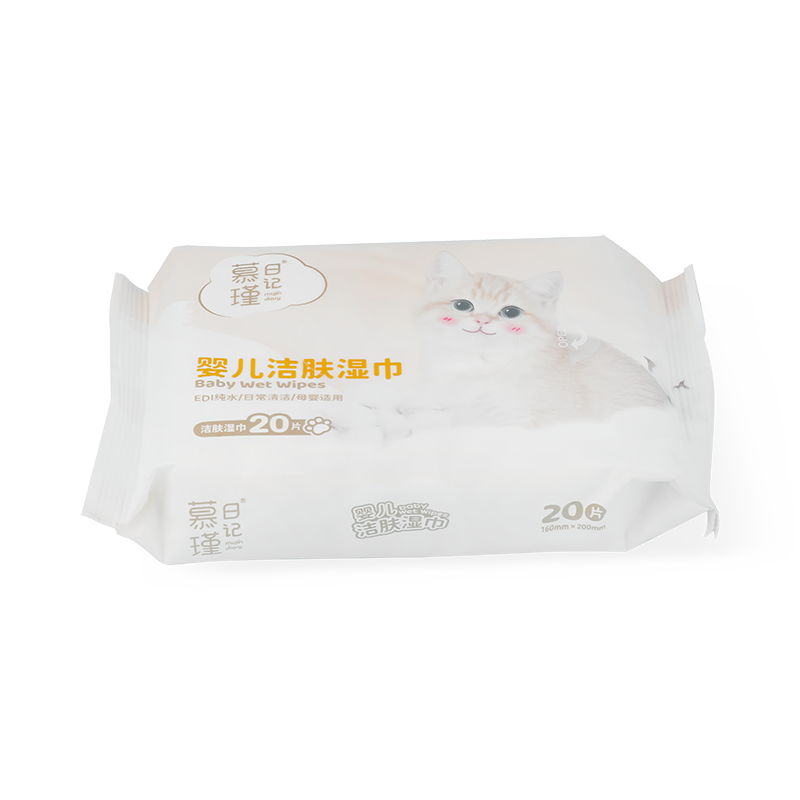
Most parents reach for wipes as a convenience product without examining what separates one type from another. The difference between Flip-Top Pack Extra Large Size Baby Sensitive Water Wipes and regular wipes is not simply a matter of size or packaging. It reflects fundamentally different formulation philosophies, material choices, and skin-care priorities — differences that matter every time you clean your baby's skin.
The defining characteristic of baby sensitive water wipes is their formulation: they are composed of 99% purified water with minimal additional ingredients — typically just one or two gentle preservatives or skin-conditioning agents such as fruit extract. This stands in sharp contrast to regular wipes, which routinely contain surfactants, fragrances, alcohols, parabens, and preservatives like methylisothiazolinone (MI) or phenoxyethanol.
The extra-large format addresses a practical shortcoming of standard-sized wipes: a single wipe is often insufficient for a full diaper change, particularly with infants on liquid diets. The larger surface area means parents can complete a thorough clean in one or two wipes rather than three or four, reducing the total number of friction passes across the skin — a meaningful consideration for babies already experiencing diaper rash or skin sensitivity.
The flip-top pack design preserves wipe moisture by creating a tight seal that prevents evaporation between uses. Standard pull-through openings on regular wipe packs frequently allow air infiltration, causing the top few wipes to dry out and reducing their cleansing effectiveness. A reliable flip-top closure also makes single-handed access easier during diaper changes, which is a genuine ergonomic advantage when the other hand is occupied.
Understanding what is — and what is not — in each wipe type gives parents the clearest picture of the skin-care implications. The table below compares typical ingredient categories found in each product type.
| Ingredient Category | Sensitive Water Wipes | Regular Wipes |
|---|---|---|
| Primary base | 99% purified water | Water + multiple additives |
| Fragrance | None | Often present |
| Surfactants / cleansers | Absent or minimal | Commonly included |
| Alcohol | None | Sometimes included |
| Preservatives | Minimal (1–2 ingredients) | Multiple types |
| Parabens | Free | May be present |
| Skin conditioners | Natural (e.g. fruit extract) | Synthetic or mixed |
| Dermatologist tested | Typically yes | Varies by brand |
Fragrances are among the most frequent causes of contact dermatitis in infants, and the European Scientific Committee on Consumer Safety has flagged several common fragrance compounds as potential allergens. The complete absence of fragrance in sensitive water wipes removes this risk entirely. Similarly, surfactants — while effective at lifting grease and residue — can strip the skin's natural lipid layer when used repeatedly, compromising barrier function over time.
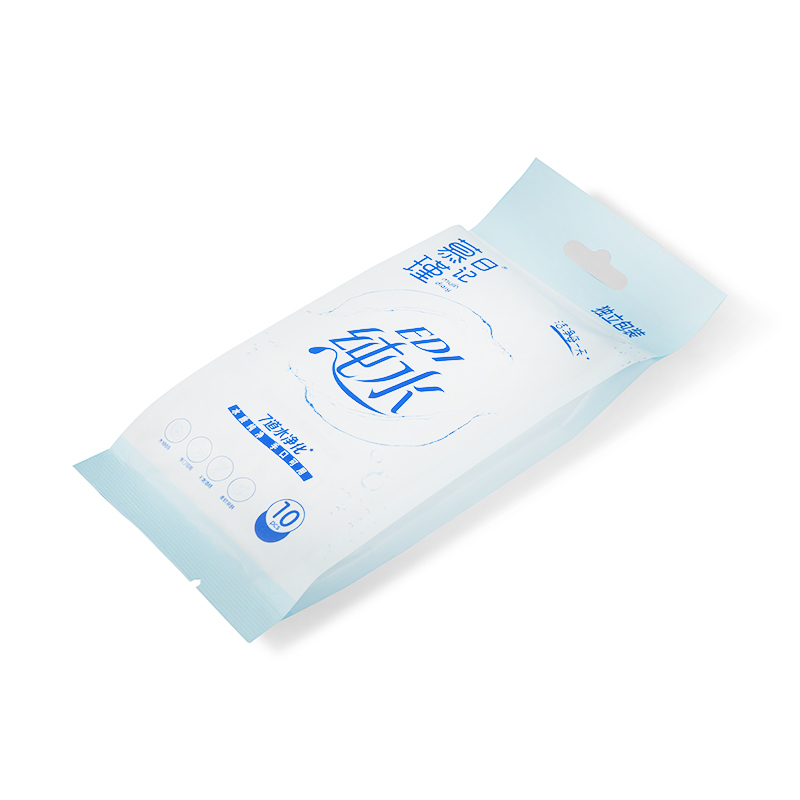
Cleansing with purified water is not simply a passive or "gentler" process — it is an active choice that supports several skin health mechanisms simultaneously.
The acid mantle is a thin, slightly acidic film on the skin surface formed by sebum, sweat, and skin cell byproducts. It functions as the skin's first line of defense against bacteria, fungi, and environmental irritants. Regular wipes containing alkaline surfactants or buffering agents can temporarily shift skin pH upward, weakening this protective layer. Purified water, with a neutral pH of 7.0, has a far smaller disruptive effect on the acid mantle, allowing it to recover more quickly between diaper changes.
The outermost layer of skin — the stratum corneum — contains a carefully structured arrangement of lipids (ceramides, fatty acids, and cholesterol) that control moisture loss and block irritants. Repeated exposure to surfactants disrupts this lipid matrix. Research published in dermatology journals has shown that even mild surfactants can measurably increase transepidermal water loss (TEWL) after repeated use. Water-based wipes with no surfactant content leave this lipid structure intact, supporting better long-term barrier function.
Extra-large wipes reduce the number of passes needed to complete a thorough clean. Every wipe pass introduces mechanical friction on skin that may already be compromised by diaper rash, moisture exposure, or eczema. Fewer passes mean less cumulative mechanical stress, which directly reduces the risk of micro-abrasions and inflammatory responses in sensitive areas.
While sensitive water wipes offer advantages in everyday use, their benefits become especially pronounced in specific situations that parents commonly encounter:
Beyond formulation, the physical substrate of the wipe plays an important role in skin comfort and cleansing efficiency. Flip-Top Pack Extra Large Size Baby Sensitive Water Wipes are typically constructed from a soft, non-woven fabric — often a plant-based or cotton-blend material — that provides effective mechanical cleansing without abrasion. The extra thickness and size of the fabric sheet means it holds more moisture uniformly across its surface and remains structurally intact through a full wipe, avoiding the tearing or pilling that occurs with thinner regular wipes under similar use.
Many regular wipes use a thinner polyester or mixed-fiber substrate that prioritizes cost reduction. While functional for light cleaning tasks, these materials can feel rougher on inflamed or sensitive skin and may require more pressure to achieve the same cleansing result — increasing friction and the associated risk of irritation.
Choosing the right wipe is the first step, but how you use it also affects outcomes for baby's skin. The following practices help maximize the skin-protective benefits of sensitive water wipes:
Flip-Top Pack Extra Large Size Baby Sensitive Water Wipes represent a deliberate and evidence-supported approach to infant skin care. By prioritizing a near-pure water formulation, eliminating chemical irritants, increasing wipe surface area, and providing a moisture-preserving flip-top closure, they address the real vulnerabilities of baby skin in a way that regular wipes — designed primarily for convenience and cost — do not.
For parents of newborns, infants with eczema, or babies with recurring diaper rash, the switch from regular wipes to sensitive water wipes is one of the simplest, lowest-risk changes available to meaningfully reduce chemical exposure and support healthy skin development. For all other infants, the reduction in fragrance, surfactants, and preservatives still represents a meaningful improvement in the daily skin-care routine — one that accumulates in importance across the thousands of diaper changes that occur in the first two years of life.
Your email address will not be published. Required fields are marked *
You can contact to me using this form.


Copyright © 2023 Shanghai Taicikang Industrial Co., Ltd. All Rights Reserved.
 OEM/ODM Wet Wipes Manufacturers
BACK TOP
OEM/ODM Wet Wipes Manufacturers
BACK TOP