Español
 Français
 中文简体
中文简体

Product Consultation
Your email address will not be published. Required fields are marked *
Content
Household wipes have evolved from a convenience product into a genuine cleaning staple found in virtually every home. Their appeal is straightforward — they combine a cleaning or disinfecting solution with a pre-moistened substrate into a single ready-to-use format that requires no mixing, measuring, or additional tools. A wipe can be pulled from the pack, used immediately, and disposed of, making them particularly valuable for quick surface sanitation between deeper cleaning sessions, for managing spills in kitchens and bathrooms, and for maintaining hygiene in high-touch areas such as light switches, door handles, remote controls, and countertops. The COVID-19 pandemic dramatically accelerated adoption, but the underlying trend toward convenient, effective home hygiene solutions had already been building for over a decade. Today the market offers a bewildering variety of formulations, substrates, and intended uses — understanding how to navigate that variety is essential for getting the best results without damaging surfaces or compromising health.
Not all household wipes are interchangeable. The market divides broadly into several distinct categories, each formulated for a specific cleaning objective. Using the wrong type of wipe for a task — for example, using a heavy disinfectant wipe on a delicate wood surface — can cause irreversible damage or simply fail to achieve the intended result.
Multi-surface cleaning wipes are formulated primarily to remove dirt, grease, and grime rather than to kill pathogens. Their active ingredients are typically non-ionic or anionic surfactants — detergent molecules that surround and lift soil particles from surfaces, allowing them to be wiped away mechanically. These wipes are safe for use on most hard, non-porous surfaces including sealed countertops, appliance exteriors, cabinet doors, tiles, and glass, though some formulations may leave a residue on highly polished surfaces that requires buffing. Multi-surface wipes are the best everyday choice for routine kitchen and bathroom maintenance where disinfection is not the primary requirement.
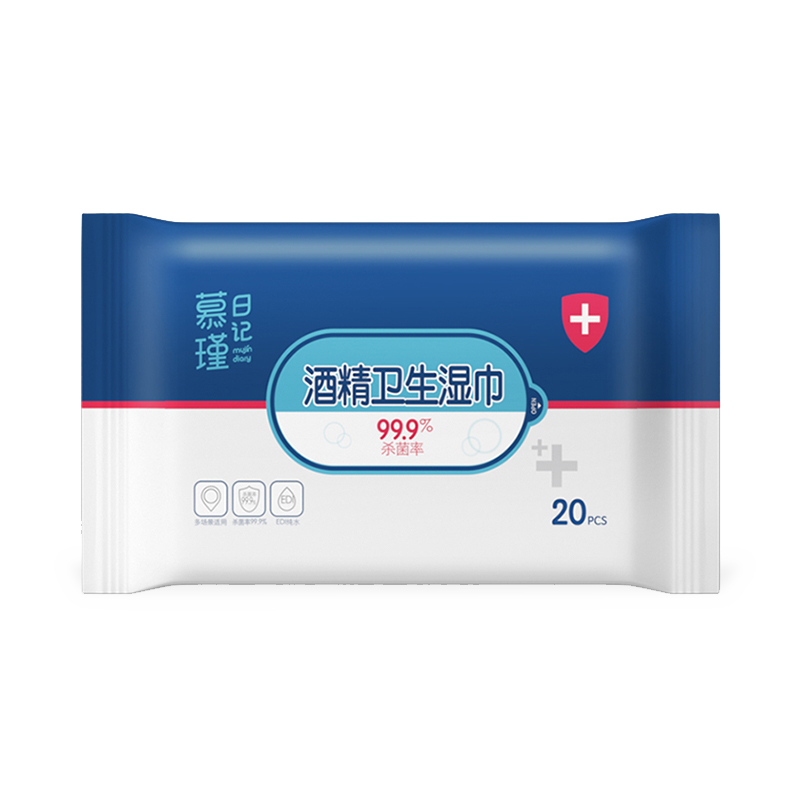
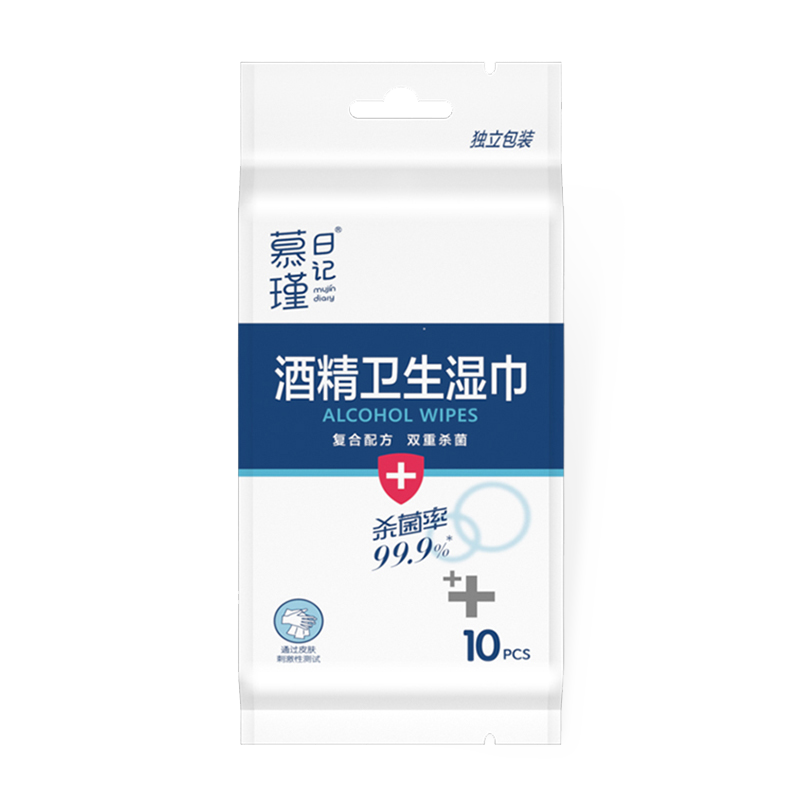
Disinfectant wipes are regulated differently from cleaning wipes in most jurisdictions because they make a public health claim — that they kill a specified percentage of listed pathogens on surfaces within a defined contact time. In the United States, disinfectant wipes must be registered with the EPA and carry an EPA registration number on the label. In Europe, they must comply with biocidal product regulations. The active disinfecting ingredients most commonly used include quaternary ammonium compounds (quats) such as benzalkonium chloride, isopropyl alcohol at concentrations of 70% or above, hydrogen peroxide, or sodium hypochlorite. Each has different efficacy profiles, surface compatibility characteristics, and drying times. A critical point that many users overlook is the required contact time — the surface must remain visibly wet with the wipe solution for the duration specified on the label (often 30 seconds to 4 minutes) for the claimed kill rate to be achieved. Wiping a surface once and immediately drying it provides far less pathogen reduction than the product claims.
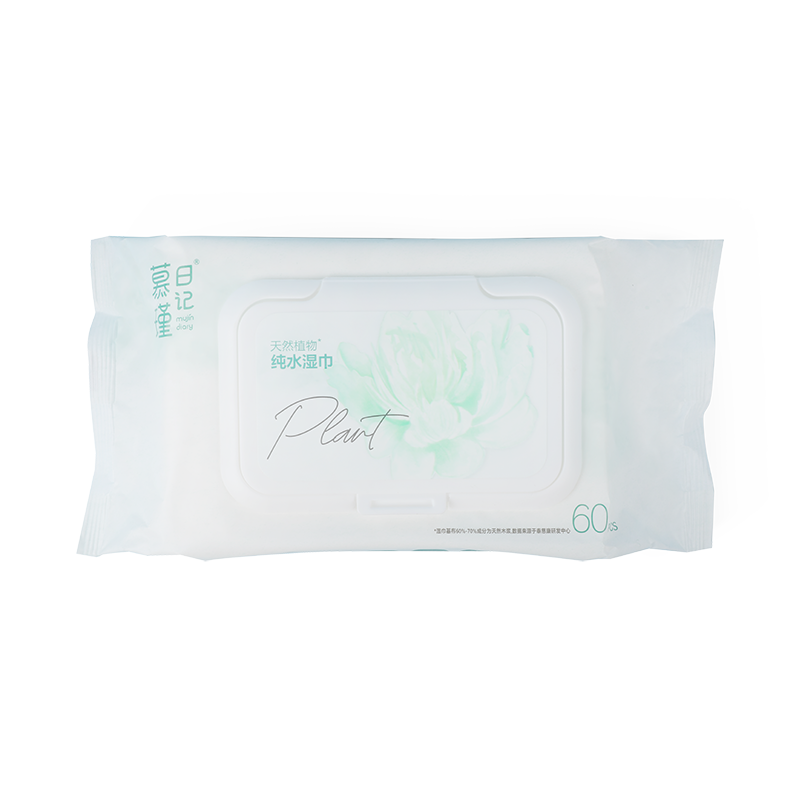
Screens, mirrors, and optical surfaces require wipes with a streak-free formulation and a substrate soft enough to avoid micro-scratching. Glass wipes typically contain isopropyl alcohol at lower concentrations (around 30–50%) combined with water and sometimes a small amount of surfactant, applied to a lint-free microfiber or non-woven fabric substrate. Electronics wipes — designed for touchscreens, keyboards, and device casings — are similar but carefully formulated to avoid solvents that could penetrate seals or degrade oleophobic coatings on modern display glass. Never use a standard household disinfectant wipe on a touchscreen or unprotected LCD panel; the high alcohol or quat concentration can strip coatings and cause permanent damage within a single application.
Oversized floor wipes — typically 30cm × 20cm or larger — are designed to attach to flat mop frames or be used by hand to clean hard floor surfaces. They are pre-loaded with a floor-appropriate cleaning solution that is pH-neutral enough to be safe on sealed hardwood, laminate, tile, and vinyl without leaving a dulling residue. Some are impregnated with a light polish or protective agent that builds a thin protective layer with repeated use. Floor wipes are significantly more economical than spraying liquid cleaner and mopping for small areas, and they eliminate the cross-contamination risk of a reused mop head.
Specialty household wipes are formulated for materials that require specific care chemistry. Stainless steel wipes contain mineral oil or a light silicone compound that cleans fingerprints and water marks while leaving a thin protective film that resists future smudging. Leather wipes are pH-balanced and contain conditioning agents such as lanolin or aloe vera that clean surface soil without stripping natural oils from the leather. Wood and furniture wipes contain oil or wax emulsions that clean and condition simultaneously, typically avoiding water-based ingredients that could raise the wood grain or penetrate and swell joints in solid wood furniture.
The fabric or substrate of a household wipe is as important as its chemical formulation. The substrate determines the physical cleaning action, the amount of solution it can hold and release, its abrasiveness, and its wet strength — the ability to remain intact under scrubbing pressure without tearing or pilling.
| Substrate Type | Key Properties | Best Used For |
| Spunlace nonwoven (polyester/viscose) | Soft, good absorbency, low lint | General surface cleaning |
| Meltblown nonwoven (polypropylene) | High fluid retention, fine texture | Disinfectant delivery, electronics |
| Microfiber (split polyester/polyamide) | Excellent mechanical cleaning, streak-free | Glass, polished surfaces, screens |
| Hydroentangled cotton | Soft, biodegradable, gentle | Delicate surfaces, eco-conscious use |
| Scrubbing nonwoven (textured) | Abrasive texture, high wet strength | Stubborn stains, grout, stovetops |
The basis weight of the substrate — measured in grams per square meter (gsm) — also matters. Heavier substrates (above 60 gsm) hold more solution and withstand more vigorous scrubbing before failing, while lighter substrates (40–50 gsm) are more economical but suited only to light-duty wiping tasks. Premium disinfectant wipes typically use substrates in the 65–80 gsm range to ensure adequate solution delivery and durability.
One of the most common mistakes with household wipes is assuming that a product safe for one surface is safe for all surfaces. Surface compatibility depends on both the chemical formulation and the physical abrasiveness of the substrate. Before using any wipe on a new surface type, consult the product label for explicit compatibility warnings. The following surfaces require particular care:
Reading the ingredient list on a household wipe pack provides essential information about both efficacy and safety. Understanding the most common ingredients allows consumers to make informed choices aligned with their cleaning needs, surface types, and health preferences.
Isopropyl alcohol (IPA) at 70% concentration is one of the most broadly effective and well-understood disinfecting agents available, killing the majority of bacteria, fungi, and enveloped viruses including influenza and coronaviruses within seconds of contact. Quaternary ammonium compounds (quats) such as benzalkonium chloride provide residual antimicrobial activity that persists on surfaces after the wipe dries, a characteristic alcohol lacks. Hydrogen peroxide at 3% concentration is a broad-spectrum disinfectant that breaks down into water and oxygen, leaving no chemical residue — a significant advantage for food preparation surfaces.
Sodium hypochlorite (bleach) is highly effective against a broad spectrum of pathogens including bacterial spores, but it is also corrosive to many surfaces, can bleach fabrics and colored materials on contact, and releases chlorine gas when mixed with ammonia-containing products. Triclosan, once a common antibacterial ingredient in household wipes, has been phased out in many markets following regulatory restrictions due to concerns about endocrine disruption and contribution to antibiotic resistance. Formaldehyde-releasing preservatives such as DMDM hydantoin and quaternium-15 may trigger skin sensitization in susceptible individuals and are increasingly being replaced with alternative preservative systems in premium products.
The environmental impact of disposable household wipes is a legitimate concern. Most conventional wipes use synthetic nonwoven substrates made from polyester or polypropylene — petroleum-derived plastics that do not biodegrade in landfill on any meaningful timescale. The "flushable" labeling on some products has been widely criticized and litigated, as most wipes — even those labeled flushable — do not disintegrate quickly enough to avoid contributing to sewer blockages. Responsible disposal means placing used wipes in the general waste bin, never in the toilet, regardless of labeling claims.
Consumers seeking to reduce their environmental footprint have several practical options. Wipes made from hydroentangled cotton, lyocell (Tencel), or bamboo fiber offer significantly improved biodegradability compared to synthetic substrates, provided they are not combined with synthetic binders. Some manufacturers now offer wipes certified under the European EN 13432 standard for compostable materials. Reusable wipe systems — where a washable microfiber or cotton wipe is pre-moistened with a cleaning solution or used dry with a spray — eliminate single-use waste entirely and can be more economical over the long term. Concentrated wipe refill sachets, where a dry wipe substrate is re-wetted with a dissolved tablet of cleaning concentrate, are also gaining traction as a lower-packaging alternative to traditional pre-moistened packs.
Even with the right product selected, a few practical habits significantly improve the cleaning and disinfecting results achieved with household wipes:
Household wipes deliver genuine value as part of a home cleaning routine when the right product is matched to the right task, surface, and technique. The breadth of the category — from multi-surface cleaners and EPA-registered disinfectants to specialist wood, leather, and screen formulations — means that informed product selection is more important than ever. By understanding the active ingredients, substrate characteristics, surface compatibility requirements, and correct application method for the wipes you use, you can achieve consistently better cleaning and disinfection results while protecting your surfaces and reducing the risk of chemical damage. And by choosing biodegradable substrates and responsible disposal practices, it is possible to enjoy the convenience of wipes without compromising on environmental responsibility.
Your email address will not be published. Required fields are marked *
You can contact to me using this form.


Copyright © 2023 Shanghai Taicikang Industrial Co., Ltd. All Rights Reserved.
 OEM/ODM Wet Wipes Manufacturers
BACK TOP
OEM/ODM Wet Wipes Manufacturers
BACK TOP