Español
 Français
 中文简体
中文简体

Product Consultation
Your email address will not be published. Required fields are marked *
Content
The term "flushable" on toilet wipe packaging suggests these products can be safely disposed of through your plumbing system just like toilet paper. Manufacturers design these wipes with materials they claim will break down in water, theoretically making them safe for sewer and septic systems. However, the reality is far more complicated than the marketing promises. Understanding what goes into these products helps explain why the flushable label has become so controversial among plumbers, environmental experts, and municipal water authorities.
Most flushable wipes contain a blend of synthetic and natural fibers, including rayon, viscose, and sometimes wood pulp. Unlike traditional toilet paper, which is designed to disintegrate within seconds of contact with water, flushable wipes maintain their structural integrity much longer. This durability is exactly what makes them effective for cleaning but also what creates problems downstream. The binding agents and strengthening treatments applied during manufacturing ensure the wipes remain intact during use, but these same properties prevent rapid breakdown in plumbing systems.
Toilet paper and flushable wipes may seem similar in purpose, but their composition and behavior in water systems are dramatically different. These differences have significant implications for your plumbing and the broader wastewater infrastructure.
| Characteristic | Toilet Paper | Flushable Wipes |
| Breakdown Time | 3-15 seconds | Several hours to days |
| Primary Material | Wood pulp fibers | Synthetic fibers and rayon |
| Wet Strength | Minimal | High |
| Dispersibility | Excellent | Poor to moderate |
Traditional toilet paper is engineered specifically to disintegrate rapidly when agitated in water. The fibers are loosely bonded and designed to separate almost immediately upon flushing. Flushable wipes, conversely, use cross-linked fibers and binding agents that maintain coherence even when wet and moving through pipes. This fundamental difference means that while toilet paper quickly becomes a slurry that flows easily through plumbing, wipes tend to accumulate, snag on pipe irregularities, and combine with other materials to form blockages.
Despite their convenience, flushable wipes have become a significant source of plumbing headaches for homeowners and municipalities alike. The problems they cause range from minor inconveniences to expensive infrastructure damage requiring professional intervention.
In residential settings, flushable wipes frequently cause toilet clogs that standard plunging cannot resolve. Unlike toilet paper clogs that often clear with minimal effort, wipe blockages typically require snaking or professional plumbing services. The wipes can catch on rough spots inside older pipes, tree roots that have penetrated sewer lines, or existing pipe damage. Once one wipe catches, others quickly accumulate, creating dense masses that completely obstruct flow. Homeowners with septic systems face even greater risks, as these systems depend on bacterial breakdown of waste materials. Flushable wipes resist this natural decomposition process, leading to tank overflow, system failure, and costly pumping or repairs that can exceed thousands of dollars.
Water treatment facilities worldwide report that flushable wipes contribute to massive fatbergs—congealed masses of wipes, grease, and other non-dispersible materials that block sewer lines. Cities spend millions annually removing these obstructions and repairing damaged equipment. Pump stations experience particular problems as wipes wrap around impellers and motors, causing mechanical failures. The costs of addressing these issues ultimately get passed to taxpayers through increased water and sewer fees. Some municipalities have launched public education campaigns specifically warning residents not to flush wipes, regardless of packaging claims.
The environmental consequences of flushable wipes extend far beyond plumbing inconveniences. When these products enter waterways, either through system overflows or incomplete treatment processes, they persist in the environment for extended periods. Marine biologists have documented wipes accumulating in rivers, lakes, and oceans, where they pose ingestion risks to wildlife. The synthetic fibers in many wipes do not biodegrade like natural materials, instead breaking down into microplastic particles that contaminate water supplies and enter the food chain.
Manufacturing flushable wipes also carries environmental costs. The production process requires significant water and energy inputs, and many wipes contain plastic-derived materials from petroleum sources. Even wipes marketed as biodegradable often require specific industrial composting conditions to break down properly—conditions that do not exist in sewer systems or natural waterways. The packaging waste from individual wipe packets adds additional plastic to landfills. When comparing the full lifecycle environmental impact, traditional toilet paper combined with water for cleaning presents a substantially smaller ecological footprint than disposable wipes.
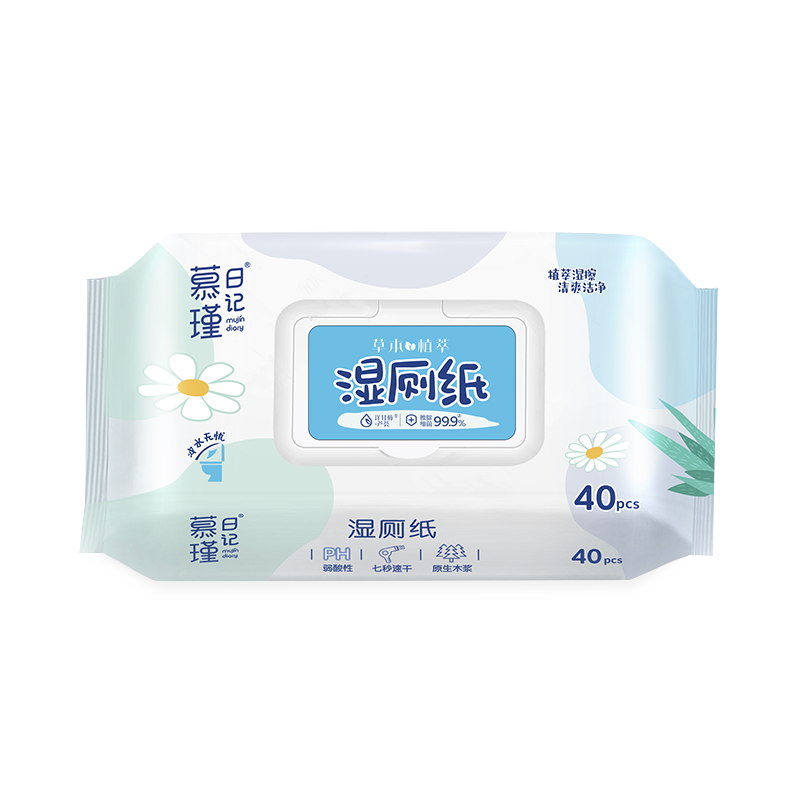
Currently, no universal legal standard defines what qualifies as flushable in most countries. Industry groups have developed voluntary guidelines, such as the INDA/EDANA flushability specifications, but compliance remains optional. These guidelines test factors like toilet and drain line clearance, municipal pump performance, settling and biodegradation in wastewater systems, and compatibility with septic systems. However, critics argue that even products passing these industry tests still cause real-world problems in aging infrastructure and septic systems.
Some consumer protection agencies have challenged manufacturers over misleading flushable claims, resulting in settlements and modified packaging. Several water utility organizations have called for stricter regulations or outright bans on marketing wipes as flushable. Until comprehensive standards with enforcement mechanisms exist, consumers cannot rely on packaging claims alone to determine whether products are genuinely safe for plumbing systems.
Fortunately, several practical alternatives provide the cleaning benefits people seek from wipes without the associated plumbing and environmental problems. These options range from simple adjustments to existing routines to installing specialized bathroom fixtures.
If you have been regularly flushing wipes, taking preventive action now can help avoid future plumbing emergencies. First, stop flushing wipes immediately and dispose of them in the trash instead. Monitor your toilet and drains for any signs of slow drainage, gurgling sounds, or recurring clogs that might indicate developing blockages. These symptoms often appear before complete obstruction occurs, providing an opportunity for early intervention.
For homeowners with septic systems who have flushed wipes, scheduling a professional inspection and pumping may be worthwhile, particularly if it has been more than a year since the last service. The technician can assess whether wipes have accumulated in the tank and remove them before they cause system failure. This proactive approach costs considerably less than emergency repairs. Those on municipal sewer systems should consider having a plumber inspect the main sewer line if the home is older or if tree roots are present in the yard, as these conditions make the pipes more vulnerable to wipe-related blockages.
Understanding the true nature of flushable wipes empowers consumers to make choices aligned with their priorities regarding convenience, cost, plumbing safety, and environmental responsibility. While manufacturers continue improving wipe formulations and some products perform better than others, the fundamental tension between durability during use and rapid breakdown after disposal remains unresolved with current technology.
The safest approach treats all wipes—regardless of flushable labeling—as trash items requiring bin disposal rather than flushing. This simple practice prevents the vast majority of wipe-related plumbing problems while still allowing people to use these products if they prefer them. For those seeking the cleaning benefits without the products themselves, bidets represent the most sustainable long-term solution, combining superior hygiene with zero waste and no plumbing risk. As awareness grows about the problems caused by flushable wipes, both consumer habits and industry practices will likely continue evolving toward more genuinely sustainable bathroom hygiene options.
Your email address will not be published. Required fields are marked *
You can contact to me using this form.


Copyright © 2023 Shanghai Taicikang Industrial Co., Ltd. All Rights Reserved.
 OEM/ODM Wet Wipes Manufacturers
BACK TOP
OEM/ODM Wet Wipes Manufacturers
BACK TOP