Español
 Français
 中文简体
中文简体

Product Consultation
Your email address will not be published. Required fields are marked *
Content
Feminine wipes have become increasingly common in personal care routines, marketed as convenient solutions for freshness and cleanliness throughout the day. These pre-moistened cloths are specifically designed for use on intimate areas, promising to provide a quick refresh between showers, during menstruation, after workouts, or for general daily hygiene. The appeal lies primarily in their portability and ease of use, fitting discreetly into purses and gym bags while requiring no water or additional products.
The feminine wipe industry has grown substantially over the past two decades, with manufacturers introducing various formulations targeting different needs and preferences. Products range from unscented varieties for sensitive skin to scented options promising all-day freshness, and from basic cleansing wipes to those containing botanical extracts or probiotic ingredients. This proliferation of options reflects both consumer demand for convenient hygiene solutions and marketing efforts that sometimes capitalize on insecurities about natural body odor and cleanliness. Understanding what these products actually contain and how they interact with intimate anatomy is essential for making informed choices about whether to incorporate them into personal care routines.
The vagina maintains a delicate ecosystem that depends on specific pH levels and beneficial bacteria to stay healthy. A healthy vaginal pH typically ranges between 3.8 and 4.5, creating a slightly acidic environment that protects against harmful bacteria and yeast overgrowth. This acidity results from beneficial Lactobacillus bacteria that produce lactic acid and hydrogen peroxide, creating conditions where potentially harmful microorganisms struggle to thrive.
This natural balance is remarkably effective at self-cleaning and self-regulating when left undisturbed. The vagina produces discharge that carries away dead cells and maintains proper moisture levels, while the beneficial bacteria continuously work to prevent infections. However, this system can be disrupted by products containing harsh chemicals, fragrances, or ingredients with pH levels incompatible with vaginal health. When the pH balance shifts toward alkalinity, it creates opportunities for bacterial vaginosis, yeast infections, and other conditions that cause discomfort, unusual discharge, and odor—ironically, the very problems many feminine wipes claim to prevent.
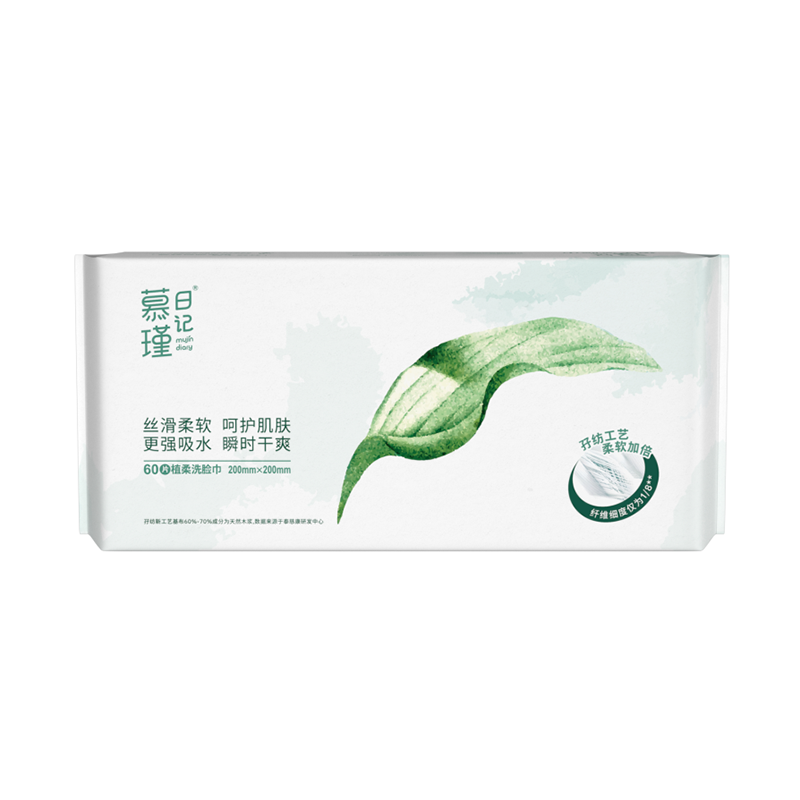
Reading ingredient labels on feminine wipes reveals a complex mixture of chemicals serving various purposes, from preservation to fragrance to moisturizing. Understanding these components helps consumers evaluate potential risks and benefits.
| Ingredient Category | Common Examples | Potential Concerns |
| Preservatives | Parabens, phenoxyethanol | Hormone disruption, allergic reactions |
| Fragrances | Synthetic perfumes, essential oils | Irritation, pH disruption, allergies |
| Surfactants | Sodium lauryl sulfate | Dryness, irritation, barrier damage |
| Alcohols | Ethanol, isopropyl alcohol | Excessive drying, beneficial bacteria disruption |
| Antimicrobials | Triclosan, benzalkonium chloride | Microbiome disruption, resistance development |
Preservatives serve the necessary function of preventing bacterial and fungal growth in the moist wipe environment, but some preservatives have raised health concerns. Parabens, for instance, can mimic estrogen in the body, potentially interfering with hormonal function. While research continues regarding long-term effects, many consumers prefer paraben-free options as a precautionary measure, particularly for products used on sensitive mucous membranes that absorb substances more readily than regular skin.
Fragrances represent one of the most problematic categories in feminine wipes. The vagina should not smell like flowers, fruits, or any artificial scent. Marketing that suggests otherwise capitalizes on shame and misinformation about normal body odor. Fragrance ingredients frequently trigger allergic reactions, contact dermatitis, and pH imbalances. Moreover, manufacturers are not required to disclose specific fragrance components, which may include dozens of undisclosed chemicals. Even wipes marketed as having natural scents using essential oils can cause irritation, as these concentrated plant extracts are often too harsh for delicate intimate tissues.
While occasional use of well-formulated feminine wipes may not cause problems for all individuals, regular or daily use increases the likelihood of adverse effects. The most common issue is contact dermatitis, characterized by redness, itching, burning sensations, and discomfort in the vulvar area. This inflammatory reaction occurs when ingredients irritate the skin or trigger allergic responses. The thin, sensitive skin of the vulva and the mucous membranes of the vaginal opening are particularly vulnerable to such reactions.
Disruption of the vaginal microbiome represents a more serious concern with long-term implications. Repeated use of wipes containing antimicrobial agents, harsh cleansers, or pH-altering ingredients can diminish populations of protective Lactobacillus bacteria. This creates conditions favorable for bacterial vaginosis, a common infection causing fishy odor, unusual discharge, and increased susceptibility to sexually transmitted infections. Yeast infections also become more likely when the vaginal environment loses its natural acidity and bacterial balance. Some women find themselves in a problematic cycle where they use feminine wipes to address odor or discharge, but the wipes themselves perpetuate the conditions causing these symptoms.
Pregnant individuals should exercise particular caution with feminine wipes, as pregnancy already increases vulnerability to vaginal infections due to hormonal changes affecting pH and discharge patterns. Some wipe ingredients have not been adequately studied for safety during pregnancy, and the increased blood flow to pelvic tissues during gestation may enhance absorption of potentially problematic chemicals. Healthcare providers generally recommend that pregnant women avoid unnecessary chemical exposures in intimate areas and rely on plain water for external cleansing when needed.
Despite the concerns outlined above, certain situations may warrant carefully selected feminine wipe use. Understanding these scenarios helps distinguish between marketing-driven perceived needs and genuine practical applications.
In all these scenarios, selecting the gentlest possible product and limiting use to external areas only minimizes potential adverse effects. The key principle is that feminine wipes should supplement rather than replace water-based cleansing, and should never be used as a daily freshness product when there is no genuine need beyond what normal bathing provides.
For those who determine that feminine wipes serve a legitimate purpose in their circumstances, selecting products thoughtfully reduces health risks. The most important criterion is pH compatibility, with wipes formulated to match the slightly acidic vaginal environment rather than neutral or alkaline formulations that disrupt natural balance. Products explicitly labeled as pH-balanced for intimate use, ideally with the specific pH range stated on packaging, represent better choices than generic cleansing wipes.
Fragrance-free products should always be prioritized over scented varieties, regardless of marketing claims about gentle or natural fragrances. The ingredient list should be short and comprehensible, avoiding complex chemical names that suggest harsh preservatives or irritating additives. Wipes made primarily from water with minimal additional ingredients pose less risk than those containing lengthy lists of unfamiliar substances. Some gynecologist-tested or dermatologist-approved products undergo specific testing for intimate area safety, though these claims should be verified through research rather than accepted at face value.
Reading reviews from other users can provide insight into whether products cause irritation or allergic reactions, though individual responses vary significantly based on personal sensitivities. Starting with individually packaged wipes rather than large containers allows testing a product without committing to extensive use if it proves incompatible with your body chemistry.
Several alternatives to commercial feminine wipes provide cleanliness and freshness without the associated health risks, often at lower cost and with reduced environmental impact. Plain water remains the gold standard for intimate hygiene, effectively removing discharge, sweat, and other substances without disturbing pH or beneficial bacteria. Portable peri bottles designed for postpartum care work excellently for on-the-go cleansing, allowing individuals to rinse with water in any restroom.
Bidet attachments, whether installed on home toilets or portable travel versions, offer superior cleansing compared to wipes while using only water. These devices have gained popularity in Western countries after being standard in many other cultures for generations. The initial investment in a bidet attachment pays for itself relatively quickly when compared to ongoing wipe purchases, while providing gentler and more thorough cleaning.
For those who prefer having something to physically wipe with, dampening unscented toilet paper or soft cloth wipes with plain water creates a DIY alternative to commercial products. Reusable cloth wipes made from soft organic cotton can be wetted with water, used for external cleansing, and then laundered, eliminating both chemical exposure and waste generation. While this requires more effort than disposable wipes, it represents the most economical and environmentally responsible option.
Some individuals create their own wipe solutions by mixing distilled water with a small amount of mild, unscented castile soap or adding ingredients like aloe vera gel for soothing properties. These DIY solutions allow complete control over ingredients and pH, though they require proper storage to prevent bacterial contamination and should be made in small batches for freshness.
Anyone experiencing symptoms after beginning feminine wipe use should immediately discontinue the product and observe whether symptoms resolve. Warning signs include persistent itching, burning sensations, unusual redness or swelling, changes in discharge color or consistency, new or worsening odor, and pain during urination or intercourse. These symptoms may indicate allergic reactions, pH imbalance, or developing infections requiring medical attention.
If symptoms persist beyond a few days after stopping wipe use, consulting a healthcare provider becomes important to rule out infections or other conditions requiring treatment. Being honest with medical professionals about all products used in intimate areas, including wipes, helps them make accurate diagnoses and provide appropriate guidance. Many gynecologists specifically advise against feminine wipe use and can offer personalized recommendations based on individual health history and needs.
The fundamental message regarding feminine wipes is that the vagina is self-cleaning and typically requires no special products beyond gentle external washing with water during regular bathing. While marketing may suggest otherwise, healthy vaginas naturally manage cleanliness, pH balance, and freshness without intervention. Products should serve genuine hygiene needs in specific circumstances rather than addressing manufactured insecurities about normal body functions and scents. Making informed choices based on scientific understanding rather than advertising claims empowers individuals to protect their intimate health while meeting practical cleanliness needs in ways that respect the body's natural wisdom.
Your email address will not be published. Required fields are marked *
You can contact to me using this form.


Copyright © 2023 Shanghai Taicikang Industrial Co., Ltd. All Rights Reserved.
 OEM/ODM Wet Wipes Manufacturers
BACK TOP
OEM/ODM Wet Wipes Manufacturers
BACK TOP