Español
 Français
 中文简体
中文简体

Product Consultation
Your email address will not be published. Required fields are marked *
Content
Many people assume all wet wipes are interchangeable, but feminine hygiene wipes are formulated and marketed for use on or near the vulvovaginal area, while regular wet wipes are designed for general purpose cleaning — hands, surfaces, baby skin, or personal freshening. Understanding the chemical, physical, and labeling differences helps consumers avoid irritation, disruptions to the vaginal microbiome, plumbing problems, and environmental harm. This article explains practical, evidence-based differences and offers selection and usage guidance for sensitive skin and intimate care.
The most important distinction is the liquid formulation on the wipe. Feminine wipes typically use milder surfactants, lower alcohol content (often zero), and may include ingredients intended to soothe or balance, such as lactic acid to adjust pH, glycerin for hydration, and natural extracts like aloe vera or chamomile. Regular wet wipes — including moist towelettes and many "flushable" wipes — often contain stronger surfactants, preservatives like parabens or phenoxyethanol, fragrances, and sometimes higher alcohol concentrations. These formulations are optimized for cleaning grease or dirt, not maintaining delicate mucosal health.
Manufacturers of feminine hygiene wipes often list: purified water, mild non-ionic surfactants (in low concentrations), pH adjusters such as lactic acid, emollients like glycerin, humectants (e.g., propylene glycol in low amounts), preservative systems formulated for low irritation, and sometimes hypoallergenic fragrance-free labeling. Many reputable brands avoid essential oils and harsh preservatives known to irritate mucous membranes.
Regular wet wipes may contain stronger detergents (to remove oils), higher levels of fragrance, dyes, alcohol for quick drying, and general-purpose preservatives. Baby wipes are an exception: premium baby wipes are quite gentle but are still formulated for diaper-area skin rather than internal mucosa. The takeaway: ingredient lists matter — avoid wipes with high alcohol percentages, strong fragrances, or unfamiliar preservatives for intimate use.
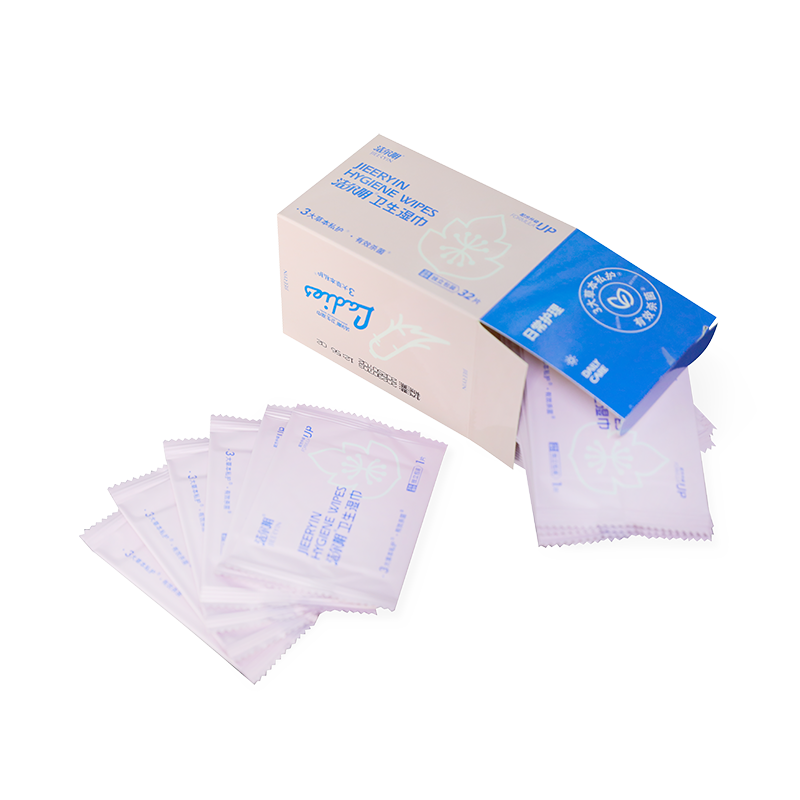
A healthy vaginal environment typically has an acidic pH (roughly 3.8–4.5) maintained by lactobacilli. Products that are alkaline or disrupt pH can reduce lactobacilli populations and potentially increase risk of bacterial vaginosis or yeast infections. Feminine wipes may be formulated to be pH-balanced or include lactic acid to support the natural acidity; regular wet wipes usually are pH-neutral to mildly alkaline, which is acceptable for hands or general skin but not ideal for intimate mucosa.
If you frequently use wipes for intimate refreshment, choose products explicitly labeled "pH-balanced for intimate use", "gynecologist-tested", or similar. Even with appropriate products, limit internal use — wipes are for external genital cleansing only and should not replace gentle water-based cleaning or medical care when problems occur.
Wipe materials (substrate) differ in fiber content, thickness, and strength. Feminine wipes are often constructed from softer, non-woven cellulose or viscose blends to reduce mechanical abrasion on delicate skin. They are frequently thinner and designed to dissolve or tear more easily than heavy-duty wet wipes. Regular wet wipes come in a range from thin, economy fabrics to thicker spunlace materials meant for heavy-duty cleaning. The substrate influences sensation, residue, and how the product behaves in plumbing systems.
One of the most practical differences is whether a wipe can be flushed. Most sewer systems are not designed for any disposable wipes, and "flushable" claims are often misleading. Feminine wipes (even "flushable" labeled) should generally not be flushed; they can cause sewer blockages, especially when combined with fats and other debris. Regular wet wipes labeled "do not flush" are also a major source of blockages. Environmentally, both types contribute to waste streams: choose biodegradable, responsibly packaged options and follow local disposal guidance.
| Attribute | Feminine Wipes | Regular Wet Wipes |
| Intended Use | External intimate area | Hands, surfaces, baby care, general clean-up |
| pH | Often acidic/pH-balanced | Usually neutral or slightly alkaline |
| Fragrance | Often unscented or lightly scented; fragrance-free options common | Frequent fragrances and dyes |
| Flushability | Not recommended; check local guidance | Most are not flushable; "flushable" often misleading |
| Substrate softness | Softer, non-abrasive substrates | Varies widely; some very abrasive |
People with sensitive vulvar skin, history of recurrent yeast infections, or pregnant individuals should be particularly cautious. Intimate mucosa is more permeable and reactive than external skin, so seemingly mild ingredients can cause irritation. If you experience burning, itching, unusual discharge, or odor after using a wipe, discontinue use and consult healthcare providers. During pregnancy, hormonal changes can increase sensitivity — use unscented, pH-balanced wipes only if necessary and prioritize water for routine hygiene.
Check product labeling for explicit claims: "for external use only," "pH-balanced," "dermatologist-tested," "gynecologist-tested," or "hypoallergenic." While these terms are marketing-friendly, certifications and ingredient transparency matter more. Look for clear ingredient lists, avoidance of known irritants (alcohol, strong fragrances, essential oils, and harsh preservatives), and third-party certifications when available. For environmental claims, look for compostability or biodegradability verifications and independent flushability testing results if provided.
The "fatberg" problem in sewers is largely caused by wipes combined with fats and oils. Even products labeled "flushable" have contributed to blockages because they do not disintegrate as toilet paper does. Dispose of both feminine and regular wet wipes in trash streams if possible. When selecting products, prefer biodegradable materials and minimal, recyclable packaging. Manufacturers are improving formulations and substrates, but consumer disposal behavior is key to reducing environmental impact.
Feminine hygiene wipes and regular wet wipes serve different purposes. Feminine wipes are formulated to be gentler, often pH-balanced, and constructed with softer substrates intended for external intimate use. Regular wet wipes are multipurpose cleaners and may contain ingredients or textures inappropriate for intimate areas. To minimize irritation and environmental harm, choose products with transparent ingredient lists, avoid flushing wipes, and prioritize water-based cleansing whenever possible. If irritation occurs, stop using the product and seek medical advice.
Your email address will not be published. Required fields are marked *
You can contact to me using this form.


Copyright © 2023 Shanghai Taicikang Industrial Co., Ltd. All Rights Reserved.
 OEM/ODM Wet Wipes Manufacturers
BACK TOP
OEM/ODM Wet Wipes Manufacturers
BACK TOP