Español
 Français
 中文简体
中文简体

Product Consultation
Your email address will not be published. Required fields are marked *
Content
The words "disinfecting" and "antibacterial" appear on countless cleaning and hygiene products, often used interchangeably in marketing language, but they describe fundamentally different levels of microbial control and are regulated under different frameworks depending on the country of sale. Understanding the precise meaning behind each term is the essential first step in choosing the right product for a specific purpose — whether that's wiping down a kitchen counter, sanitizing hands before a meal, or preparing a clinical surface for patient contact.
A disinfectant is a product formulated to destroy or irreversibly inactivate a defined range of pathogenic microorganisms on non-living surfaces, reducing microbial populations to levels considered safe according to public health standards. In the United States, disinfectants are regulated by the Environmental Protection Agency (EPA) as pesticides under the Federal Insecticide, Fungicide, and Rodenticide Act (FIFRA), and products making disinfection claims must demonstrate efficacy against specific test organisms through standardized laboratory protocols before receiving EPA registration. True disinfectants target bacteria, many viruses, and some fungi — the breadth of coverage varies by active ingredient and product formulation, and the specific organisms covered are listed on the EPA-registered label.
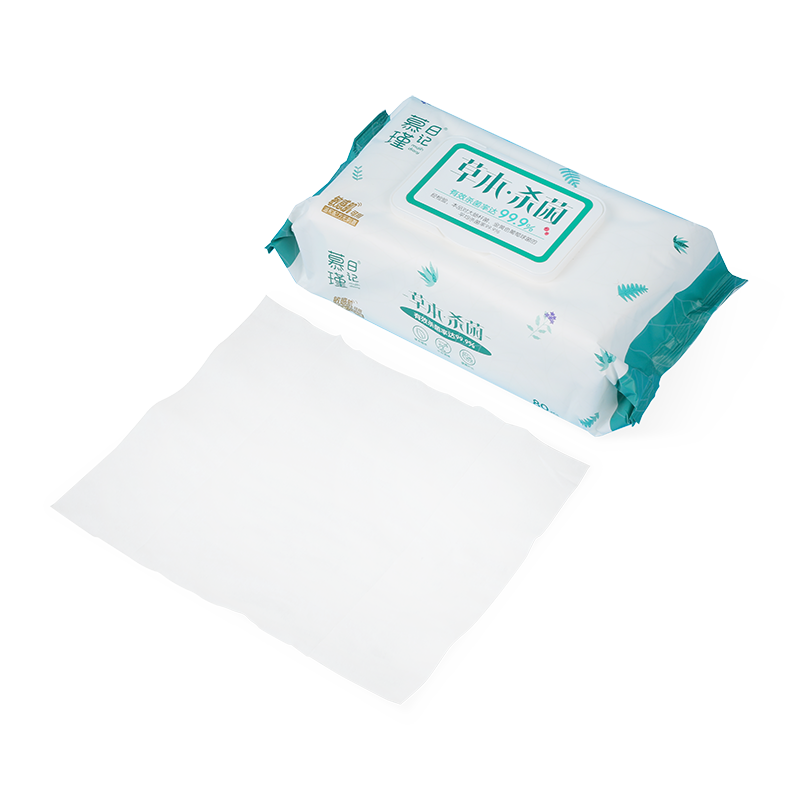
Antibacterial, by contrast, is a narrower claim indicating only that a product inhibits the growth of or kills bacteria. It does not imply any action against viruses, fungi, or other pathogens beyond the bacterial category. Antibacterial soaps, wipes, and hand gels are regulated by the Food and Drug Administration (FDA) when intended for use on human skin, because products applied to the body are classified as drug products rather than pesticides. The FDA has taken an increasingly skeptical regulatory stance toward antibacterial claims in consumer products — in 2016, it banned the use of several common antibacterial active ingredients including triclosan and triclocarban in over-the-counter consumer hand soaps, citing insufficient evidence that they were more effective than plain soap and water and raising concerns about antimicrobial resistance.
To fully understand where antibacterial and disinfecting products sit in the broader landscape of microbial control, it helps to understand the hierarchy of germicidal claims that regulatory agencies and the scientific community use to distinguish different levels of pathogen reduction. Each level describes a different standard of microbial kill, and each is appropriate for different settings and risk levels.
| Term | Pathogen Coverage | Typical Kill Level | Common Setting |
| Antibacterial | Bacteria only | Reduces or inhibits bacteria | Personal hygiene, everyday hand care |
| Sanitizing | Bacteria (primarily) | 99.9% reduction on surfaces | Food contact surfaces, kitchens |
| Disinfecting | Bacteria, viruses, some fungi | 99.999% reduction on surfaces | Healthcare, bathrooms, high-touch surfaces |
| Sterilizing | All microorganisms including spores | 100% elimination | Surgical instruments, implants |
This hierarchy makes clear that a product labeled only as antibacterial provides the lowest level of microbial control in the classification system. It offers no protection against viruses — including rhinoviruses that cause the common cold, influenza viruses, norovirus, or respiratory viruses — which is a critical limitation given that viral transmission accounts for a large proportion of everyday infectious illness. When viral protection is a priority, disinfecting products are the appropriate choice, not antibacterial ones.
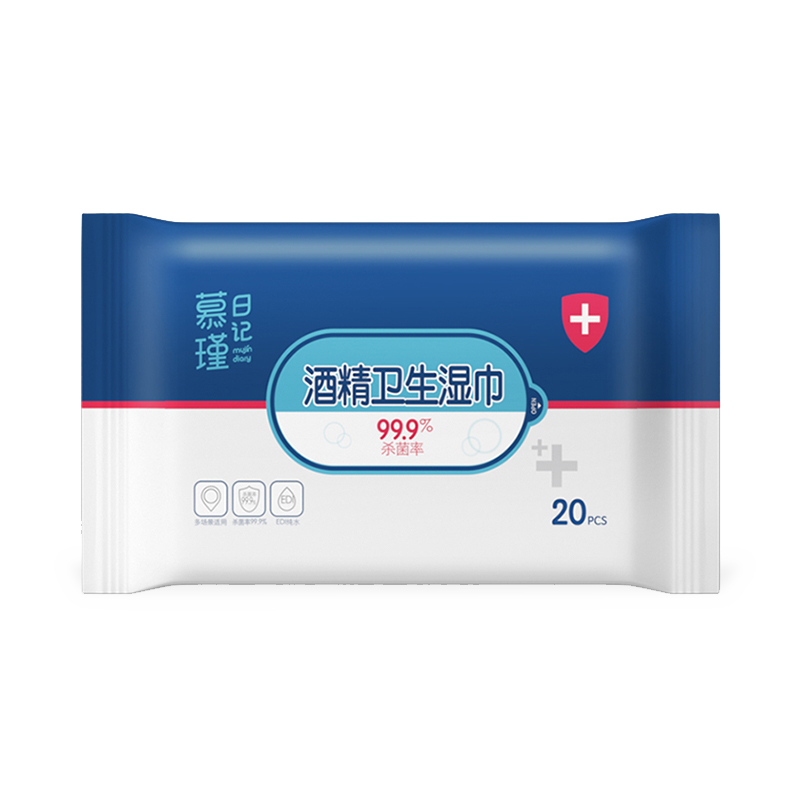
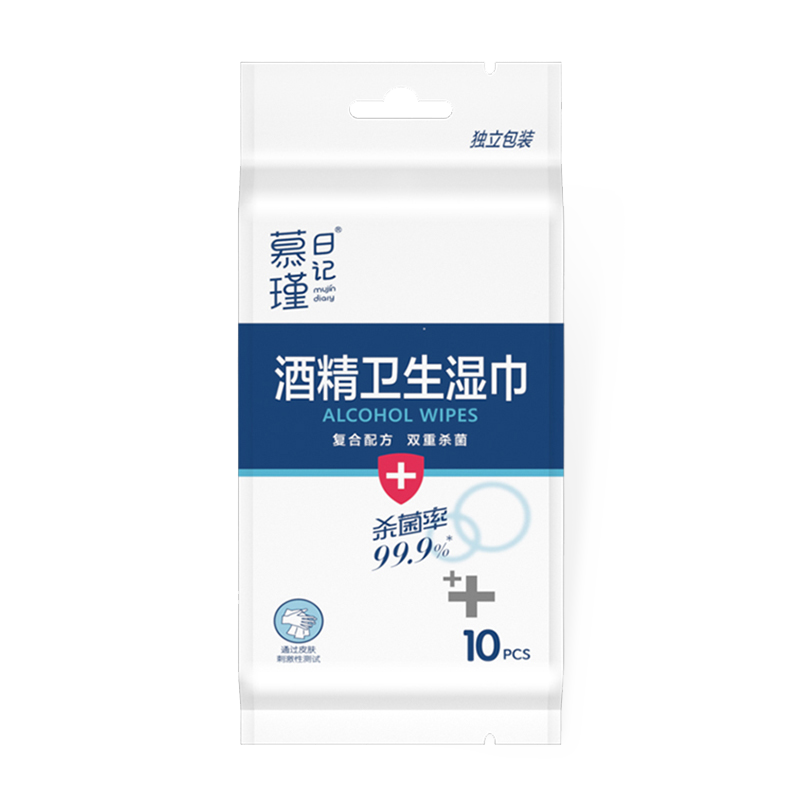
Hand sanitizing wipes are pre-moistened disposable cloths impregnated with an antimicrobial solution designed specifically for use on human skin — primarily the hands — to reduce microbial populations in situations where handwashing with soap and water is not immediately available. They represent a portable, convenient, and no-rinse format for hand hygiene that has become standard in healthcare settings, food service operations, travel kits, and everyday personal care. The moistened fabric substrate — typically nonwoven polyester, viscose, or a blend — serves both as a delivery vehicle for the active solution and as a mechanical cleaning surface, physically removing loose soil, debris, and surface microbes through wiping action in addition to the chemical kill provided by the active ingredient.
It is important to distinguish hand sanitizing wipes from surface disinfecting wipes, which are superficially similar in format but formulated with different active ingredient concentrations, different chemical compositions, and different pH levels specifically optimized for non-living hard surfaces rather than human skin. Surface disinfecting wipes — such as those containing quaternary ammonium compounds (quats) at concentrations effective for surface disinfection — are labeled for use on countertops, doorknobs, and equipment surfaces, not for skin contact. Using surface disinfecting wipes on skin can cause irritation, sensitization, or chemical burns because the formulations are not designed to be safe for repeated dermal exposure. Similarly, hand sanitizing wipes should not be expected to achieve the same level of surface disinfection as EPA-registered surface disinfectants, because their formulations are constrained by skin safety requirements that limit the concentrations and types of active agents that can be used.
The germicidal performance of a hand sanitizing wipe is determined almost entirely by its active ingredient — the chemical compound responsible for killing or inhibiting microorganisms on contact. Several different active ingredient categories are used across the range of commercially available hand sanitizing wipes, each with distinct mechanisms of action, effectiveness profiles, and skin compatibility characteristics.
Alcohol is the most widely used and best-evidenced active ingredient in hand sanitizing wipes, supported by decades of clinical research and endorsed by the World Health Organization (WHO) and the CDC as the gold standard for hand antisepsis when handwashing is not possible. Ethanol (ethyl alcohol) and isopropanol (isopropyl alcohol) are the two most commonly used forms, typically at concentrations between 60% and 80% by volume — the concentration range in which alcohol achieves maximum germicidal efficacy. Below 60%, germicidal action drops sharply; above 90%, the rapid evaporation of the alcohol reduces the contact time needed for complete cell membrane disruption and protein denaturation in target microorganisms.
Alcohol-based wipes are effective against the vast majority of clinically significant bacteria, enveloped viruses (including influenza, coronaviruses, HIV, and hepatitis B), and many fungi. Their limitation is against non-enveloped viruses — including norovirus, hepatitis A, and adenovirus — where efficacy is less reliable than against enveloped species, and against bacterial spores such as Clostridioides difficile, which are entirely resistant to alcohol. For settings where these pathogens are a concern, alternative active ingredients or supplementary disinfection strategies are necessary. Most commercially formulated alcohol wipes include emollients such as glycerin, aloe vera, or vitamin E to counteract the drying and defatting effect of repeated alcohol exposure on skin, helping maintain the skin barrier integrity that is itself an important defense against infection.
Benzalkonium chloride is a quaternary ammonium compound widely used as the active ingredient in alcohol-free hand sanitizing wipes. BKC disrupts bacterial cell membranes at concentrations typically between 0.1% and 0.3% in consumer hand wipe formulations. It offers good activity against gram-positive bacteria and moderate activity against gram-negative bacteria, but its antiviral spectrum is significantly narrower than that of alcohol — it is generally effective against enveloped viruses but unreliable against many non-enveloped viruses. The FDA's 2016 review of over-the-counter antiseptic products identified benzalkonium chloride as one of the ingredients for which sufficient safety and efficacy data for OTC use had not been conclusively established, though it was not banned and remains widely used in marketed products while additional data generation continues. BKC wipes have the practical advantage of being non-flammable, making them appropriate in settings where alcohol-based products pose a fire hazard.
Matching the right product to the right situation requires understanding the specific microbial risks in the environment, the surfaces or skin involved, and the level of protection genuinely required. Reaching for the most powerful available product in every situation is neither necessary nor always appropriate — it wastes resources, may expose skin to unnecessary chemical contact, and contributes to the development of antimicrobial resistance over time in the microbial populations within an environment.
Even a well-formulated hand sanitizing wipe will underperform if it is used incorrectly. The technique of application, the duration of contact, and the condition of the wipe at time of use all influence the level of microbial reduction achieved. Many users apply sanitizing wipes for only a few seconds and wipe hands dry immediately, which is insufficient for the active ingredient to complete its germicidal action — particularly with alcohol-based products that require a minimum contact time of 15–30 seconds to achieve their labeled kill claims.
The product label is the most reliable guide to whether a hand sanitizing wipe will actually perform as needed for a specific application. Regulatory requirements in most markets require that antimicrobial product labels accurately state active ingredients and concentrations, the specific organisms against which efficacy has been demonstrated, directions for use, and any relevant warnings. Reading and understanding these label elements is the most practical skill a buyer or user can develop for making well-informed product selections.
The bottom line is that "disinfecting" and "antibacterial" are not equivalent terms, and the distinction matters in every practical setting where microbial control is the goal. Antibacterial products address one category of pathogen; disinfecting products address a broader spectrum including viruses that cause many of the most common and serious infectious illnesses. For hand hygiene on the go, alcohol-based hand sanitizing wipes at 60–80% concentration remain the most evidence-backed, broadly effective option available without a prescription — provided they are used correctly, stored properly, and selected based on accurate reading of the product label rather than marketing language alone.
Your email address will not be published. Required fields are marked *
You can contact to me using this form.


Copyright © 2023 Shanghai Taicikang Industrial Co., Ltd. All Rights Reserved.
 OEM/ODM Wet Wipes Manufacturers
BACK TOP
OEM/ODM Wet Wipes Manufacturers
BACK TOP