Español
 Français
 中文简体
中文简体

Product Consultation
Your email address will not be published. Required fields are marked *
Content
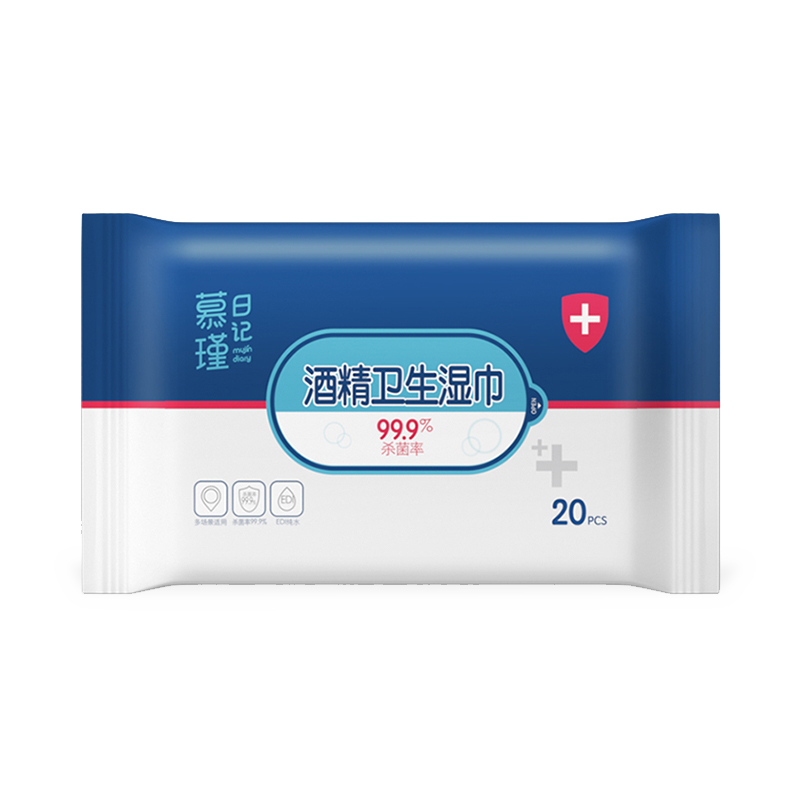
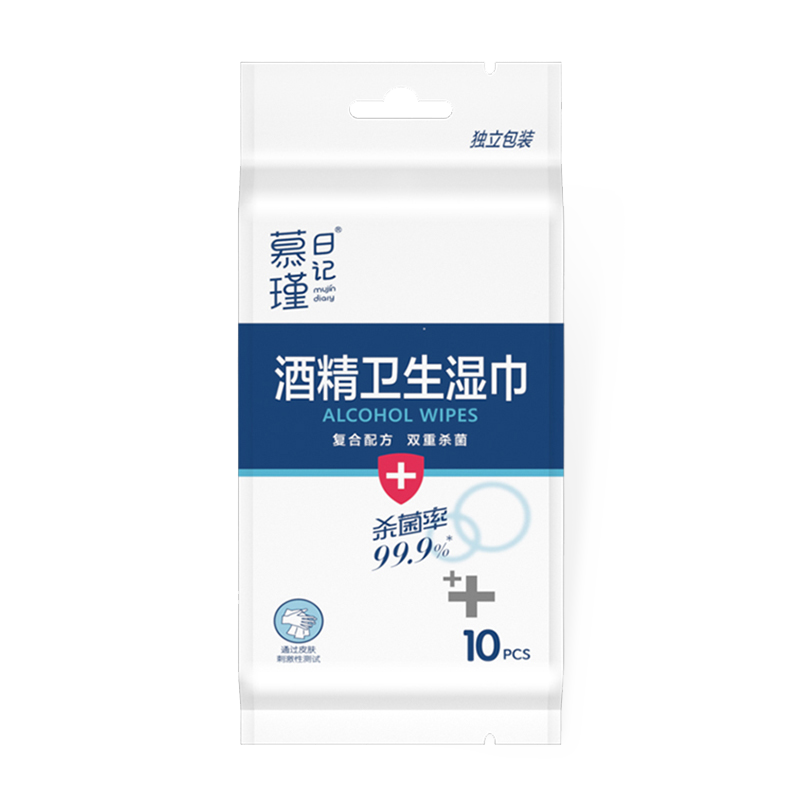
Hand sanitizer wipes are widely used for quick and convenient hand hygiene, especially in situations where soap and water are not available. They are typically infused with alcohol or other disinfectants to kill bacteria and viruses. While effective in reducing germs, frequent use has raised questions about potential skin damage. Understanding how hand sanitizer wipes interact with the skin and the factors that contribute to irritation is essential for safe, regular use.
This article explores the potential risks of frequent use, the underlying causes of skin issues, preventive measures, and best practices to maintain both hand hygiene and skin health.
The effects of hand sanitizer wipes on the skin depend largely on their composition. Most commercial wipes contain alcohol, moisturizing agents, preservatives, and fragrance.
Alcohol, usually ethanol or isopropyl alcohol, is the active ingredient that kills microbes. High concentrations (60–70%) are effective for disinfection but can strip the skin of natural oils, leading to dryness, irritation, and cracking when used excessively.
Many wipes include glycerin, aloe vera, or other emollients to mitigate dryness. While these help maintain skin hydration, their effectiveness varies, and frequent alcohol exposure may still overwhelm the skin's natural barrier.
Added fragrances and preservatives can cause allergic reactions or dermatitis in sensitive individuals. Overuse of wipes with these additives increases the likelihood of irritation or redness.
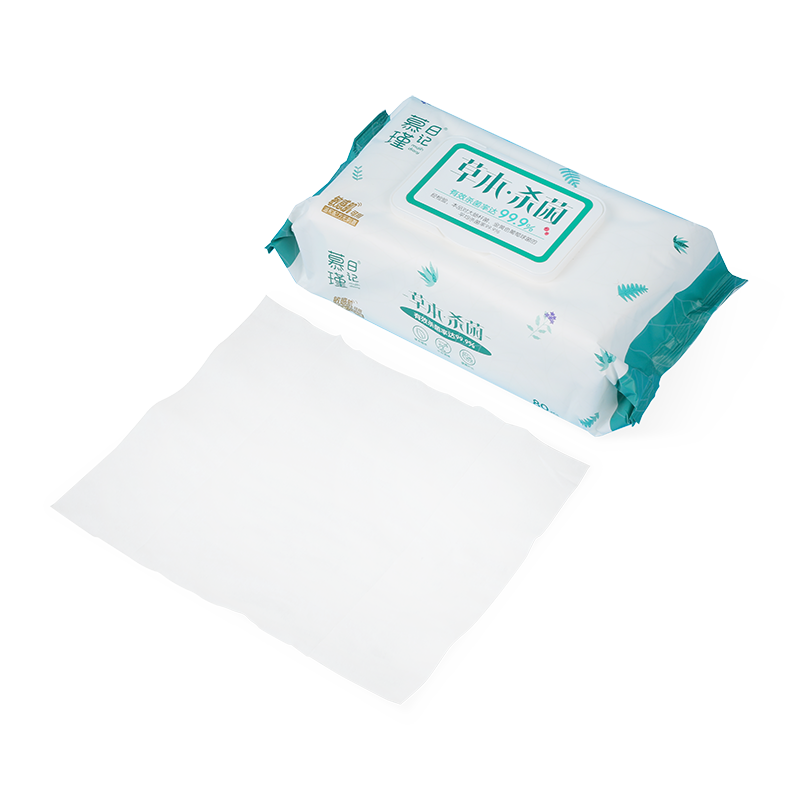
Repeated exposure to hand sanitizer wipes can compromise the skin barrier, leading to a range of issues from mild dryness to severe dermatitis.
Alcohol evaporates quickly, removing both water and oils from the skin. Frequent wiping can result in dry, flaky skin that feels tight and uncomfortable. This condition can worsen in cold or dry climates.
Sensitive skin may react with redness, itching, or a burning sensation. Irritation is often more pronounced when wipes contain added fragrances or when skin is already compromised by cuts or abrasions.
Chronic dryness can lead to cracks in the skin, increasing susceptibility to infections. Repeated irritation may develop into contact dermatitis, characterized by inflammation, swelling, and pain. Severe cases require medical attention and discontinuation of the irritant.
Several factors influence how hand sanitizer wipes affect the skin, including frequency of use, individual skin type, and environmental conditions.
The more often wipes are used, the more likely the skin's natural oils are depleted. Using wipes multiple times an hour can significantly increase dryness and irritation.
Individuals with eczema, psoriasis, or naturally dry skin are more prone to damage. Even moderate use may lead to redness or cracking in these cases.
Cold, dry weather or low-humidity environments exacerbate dryness. Wiping hands in these conditions increases the risk of skin barrier damage and associated discomfort.
Maintaining healthy skin while using hand sanitizer wipes requires proper techniques and additional care.
Select wipes with added moisturizers and minimal fragrance. Alcohol content between 60–70% is effective for disinfection without excessively stripping oils. Look for labels that indicate dermatologically tested or hypoallergenic formulas.
Avoid excessive wiping. If soap and water are available, prefer handwashing, which is gentler on the skin. Limit use to situations where hand hygiene is essential.
Apply hand creams or lotions after using wipes, especially those containing glycerin or shea butter. This helps restore the skin’s natural barrier and prevents dryness.
Wear gloves in harsh environments, avoid hot water exposure, and gently pat hands dry after washing or wiping. Minimizing friction and over-washing reduces cumulative damage.
| Feature | Hand Sanitizer Wipes | Soap and Water |
| Germ Removal | High for bacteria and viruses | High for bacteria, viruses, and dirt |
| Effect on Skin | May cause dryness with frequent use | Gentler, less risk of irritation if moisturizing |
| Convenience | Highly portable, instant use | Requires sink and water, less portable |
| Frequency of Use | Limit frequent use to prevent damage | Safe for regular washing |
Frequent use of hand sanitizer wipes can damage the skin by causing dryness, irritation, and in severe cases, dermatitis. The risk is influenced by alcohol content, added chemicals, environmental conditions, and individual skin sensitivity.
By selecting skin-friendly wipes, limiting overuse, moisturizing regularly, and practicing proper hand hygiene, individuals can maintain both skin health and effective germ control. Hand sanitizer wipes remain a valuable tool, particularly in situations without access to soap and water, but safe usage practices are essential for long-term skin protection.
Ultimately, understanding the effects of frequent wipe use and implementing preventive measures ensures that hands remain both clean and healthy, striking the right balance between hygiene and skin care.
Your email address will not be published. Required fields are marked *
You can contact to me using this form.


Copyright © 2023 Shanghai Taicikang Industrial Co., Ltd. All Rights Reserved.
 OEM/ODM Wet Wipes Manufacturers
BACK TOP
OEM/ODM Wet Wipes Manufacturers
BACK TOP