Español
 Français
 中文简体
中文简体

Product Consultation
Your email address will not be published. Required fields are marked *
Content
Traveling exposes you to a far higher concentration of shared surfaces, recycled air, and unfamiliar microbial environments than daily life at home. Airports, aircraft cabins, hotel rooms, rental cars, and public transit systems are all high-touch, high-turnover environments where hundreds or thousands of people make contact with the same surfaces every day. Studies have consistently found that airplane tray tables, seatbelt buckles, armrests, and lavatory door handles carry bacteria counts significantly higher than many household surfaces — including toilet seats. In this context, antibacterial wipes are not a paranoid luxury; they are a practical, lightweight tool that gives travelers a meaningful degree of control over the cleanliness of their immediate personal environment.
The appeal of antibacterial wipes for travel is rooted in their simplicity. A single pre-moistened wipe can clean and disinfect a surface in seconds, requires no water source, produces no liquid spill risk in a luggage bag, and takes up negligible space and weight. Unlike spray disinfectants — which can be awkward to apply in a confined airplane seat — a wipe allows you to physically remove debris and biofilm from a surface while simultaneously applying an antimicrobial agent. This combined mechanical cleaning and chemical disinfection action is more effective than either step alone, which is why wipes remain the format of choice for healthcare professionals performing contact surface disinfection.
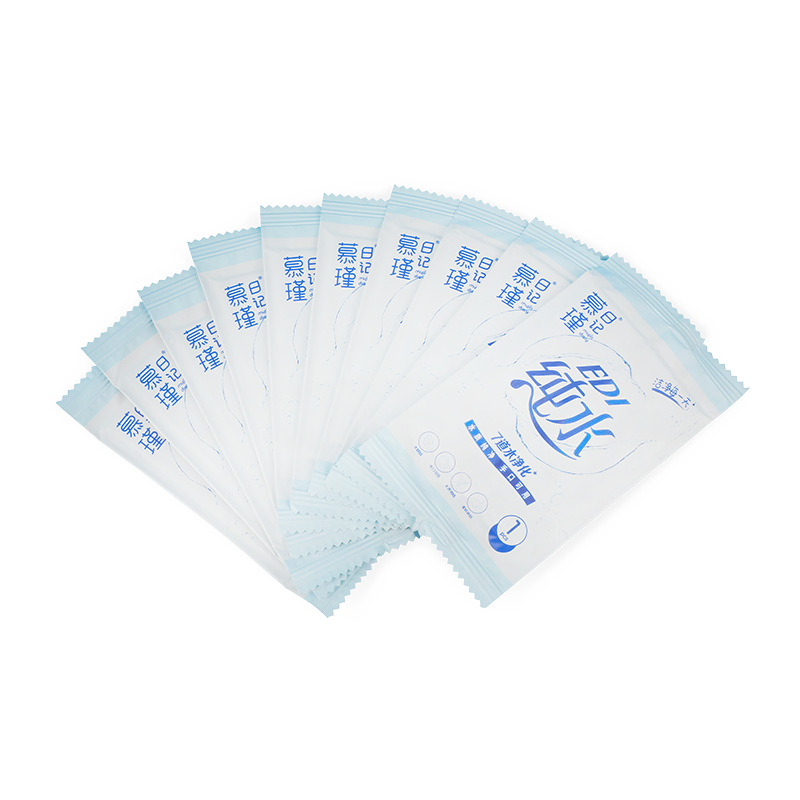
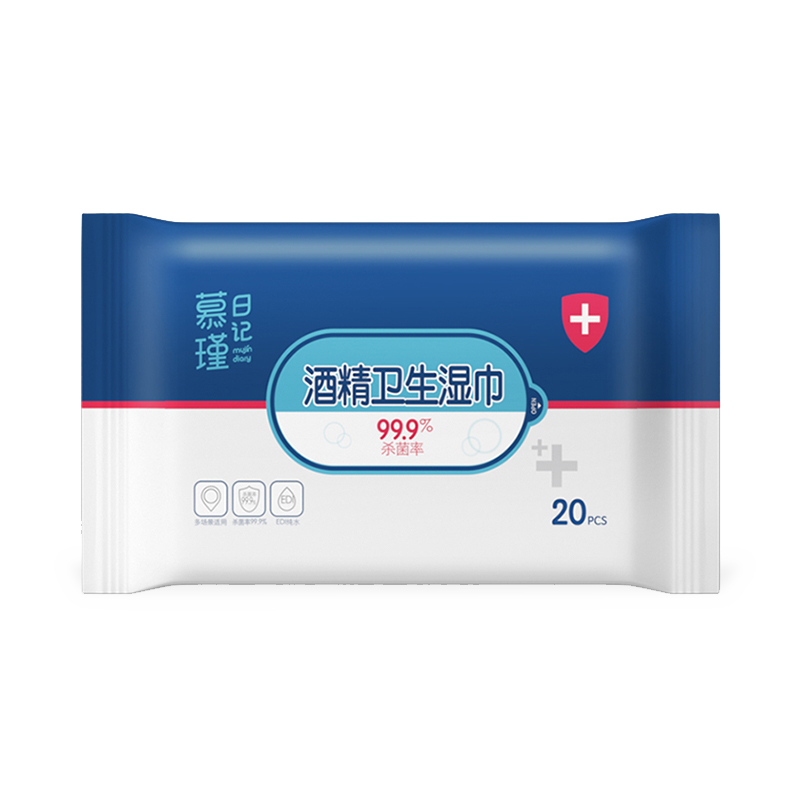
Before relying on antibacterial wipes as a travel hygiene tool, it is worth understanding what they can and cannot do. Most travel antibacterial wipes are formulated with one of three primary active ingredients: benzalkonium chloride (BAC), ethanol or isopropyl alcohol at concentrations of 60 to 75 percent, or a combination of both. Each active ingredient has a distinct performance profile that affects how useful the wipe is in different travel scenarios.
Alcohol-based wipes with ethanol or isopropanol concentrations above 60 percent are broadly effective against bacteria, most viruses including influenza and coronaviruses, and many fungi. They work by denaturing proteins and disrupting cell membranes almost instantly on contact, but their effectiveness depends on maintaining sufficient wet contact time — typically 15 to 30 seconds — with the target surface. Alcohol evaporates quickly, so on very porous or absorbent surfaces the effective contact time may be too short to achieve full disinfection. Benzalkonium chloride wipes are effective against a broad range of bacteria and enveloped viruses but are less effective against non-enveloped viruses like norovirus and some bacterial spores. They leave a residual antimicrobial film on the surface after the liquid evaporates, which provides brief continued protection — a useful property on frequently touched travel surfaces.
It is important to note that antibacterial wipes used on skin — as opposed to hard surfaces — are formulated differently and at lower active ingredient concentrations to avoid irritation. Using industrial-strength surface disinfectant wipes on skin repeatedly can strip natural oils, damage the skin barrier, and cause dryness or contact dermatitis over time. For hand hygiene during travel, wipes formulated specifically for skin use or alcohol-based hand gels are the appropriate choice, while stronger surface disinfectant wipes should be reserved for inanimate objects like tray tables, armrests, and door handles.
Not every surface in a travel environment poses equal risk. Prioritizing which surfaces to wipe down makes your wipe supply last longer and focuses your hygiene efforts where they have the greatest impact on health protection. Research into microbial contamination of travel environments identifies the following surfaces as consistently among the most heavily contaminated:
One of the most practical advantages of antibacterial wipes for air travel is their favorable treatment under TSA and international aviation security rules. Unlike liquid hand sanitizers and spray disinfectants, which are subject to the 3-1-1 liquid rule and must be contained in 100 ml or smaller bottles within a single quart-sized clear bag, antibacterial wipes in their standard packaging — whether individual sachets or resealable canisters — are not classified as liquids by the TSA and can be packed freely in both carry-on and checked baggage without quantity restrictions.
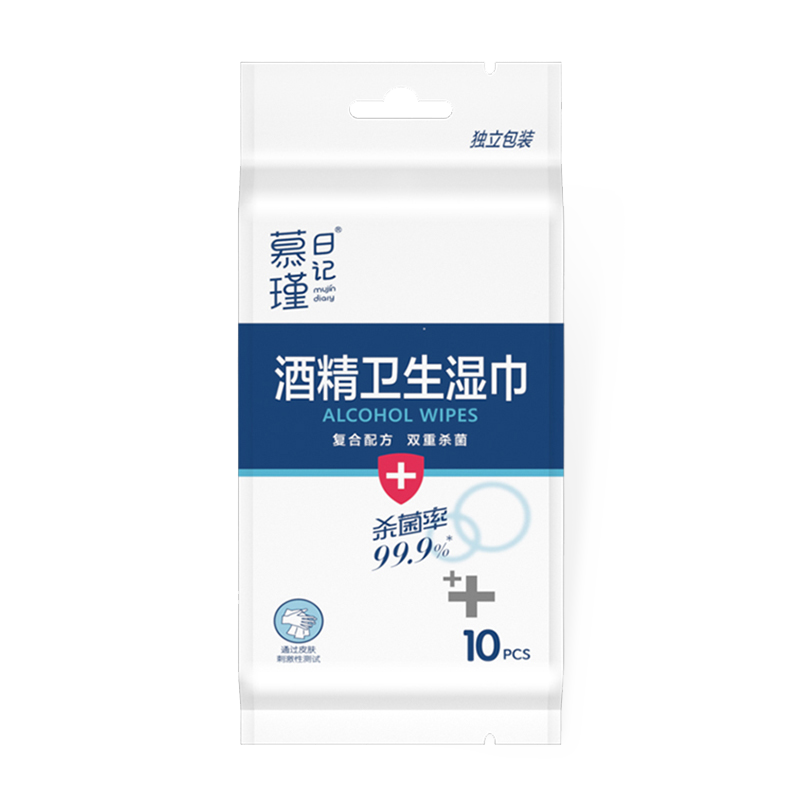
This distinction makes wipes significantly more practical for carry-on travel hygiene than equivalent liquid disinfectant products. A standard canister of 75 to 80 wipes fits easily in the side pocket of a carry-on bag or backpack and provides enough wipes for a multi-week trip covering both aircraft disinfection and hotel room surface cleaning without the compliance complexity of carrying liquids through security. Individual sachet-format wipes are even more compact and can be distributed across jacket pockets, day bags, and toiletry kits for immediate access throughout a travel day without retrieving your main bag.
It is worth confirming the rules with specific airlines and destination countries for international travel, as some countries have introduced restrictions on certain disinfectant chemical types for import. In practice, standard consumer antibacterial wipes in retail packaging pass through international customs without issue in the vast majority of cases, but travelers carrying unusually large quantities may attract attention at some border checkpoints.
The market offers a wide variety of antibacterial wipes, and the differences between them are significant enough to affect how useful they are in specific travel contexts. The table below compares the most relevant wipe types available to travelers across their key performance parameters:
| Wipe Type | Active Ingredient | Best Use | Skin Safe? |
| Alcohol Surface Wipes | 70% isopropyl or ethanol | Tray tables, armrests, hard surfaces | Occasional use only |
| BAC-Based Surface Wipes | Benzalkonium chloride | Hotel surfaces, door handles, remotes | Generally yes, check label |
| Antibacterial Hand Wipes | Low-concentration alcohol or BAC with moisturizer | Hand hygiene when no sink available | Yes — formulated for skin |
| Multi-Surface Travel Wipes | Dual-active (alcohol + BAC) | General travel use, surfaces and hands | Yes, with mild formula |
| Natural / Alcohol-Free Wipes | Plant-derived antimicrobials (thymol, etc.) | Families with children, sensitive skin travelers | Yes — gentle formula |
Having the right wipes in your bag provides no benefit if they are used incorrectly. Several common mistakes reduce the effectiveness of antibacterial wipes significantly, and being aware of them ensures your hygiene effort actually translates into reduced contamination risk.
The most common mistake travelers make with disinfectant wipes is wiping a surface once and immediately assuming it is disinfected. Effective disinfection requires the surface to remain visibly wet with the wipe's solution for the product's specified contact time — typically 15 to 30 seconds for alcohol-based wipes and up to 3 to 4 minutes for some EPA-registered disinfectant wipes. For travel surfaces like tray tables and armrests, wiping thoroughly and then leaving the surface to air dry before placing food or personal items on it is the correct procedure. On surfaces that are particularly dirty, use one wipe to clean visible debris and a second wipe to disinfect the now-clean surface — disinfectants work far more effectively on clean surfaces than on surfaces covered with organic material that can inactivate the active ingredient.
Wiping in a back-and-forth scrubbing motion can redeposit contamination across the surface. The correct technique is to wipe in overlapping parallel strokes moving in a single direction across the surface, ensuring full coverage without re-contaminating areas already cleaned. This single-pass technique is standard in healthcare surface disinfection protocols and is equally applicable to cleaning airplane tray tables and hotel desk surfaces during travel.
Antibacterial wipes dry out faster than most travelers expect, particularly in the low-humidity environment of an aircraft cabin. A canister with a poorly sealed lid or a resealable pack that has been opened and resealed multiple times will have noticeably drier wipes within 24 to 48 hours. Dried wipes retain minimal active ingredient and provide only mechanical cleaning — not disinfection. Keep canister lids firmly closed between uses, store packs away from direct sunlight and heat, and choose brands with airtight seals or individually wrapped sachets for situations where you need to carry opened wipes over multiple days.
The quantity and format of antibacterial wipes you need to carry varies significantly depending on the nature and duration of your trip. Over-packing wipes adds unnecessary weight; under-packing leaves you without them at key moments. The following packing guidelines provide a practical framework for common travel scenarios:
Antibacterial wipes will not eliminate all travel health risks — illness while traveling involves many exposure routes beyond surface contact — but they provide a fast, convenient, and genuinely effective layer of protection against one of the most common transmission pathways in shared travel environments. Used consistently on the highest-risk surfaces and stored correctly to maintain their active ingredient potency, travel antibacterial wipes are among the highest-value items per gram that any traveler can carry.
Your email address will not be published. Required fields are marked *
You can contact to me using this form.


Copyright © 2023 Shanghai Taicikang Industrial Co., Ltd. All Rights Reserved.
 OEM/ODM Wet Wipes Manufacturers
BACK TOP
OEM/ODM Wet Wipes Manufacturers
BACK TOP